
Styles and trends
Calm home decor ideas that create style and balance
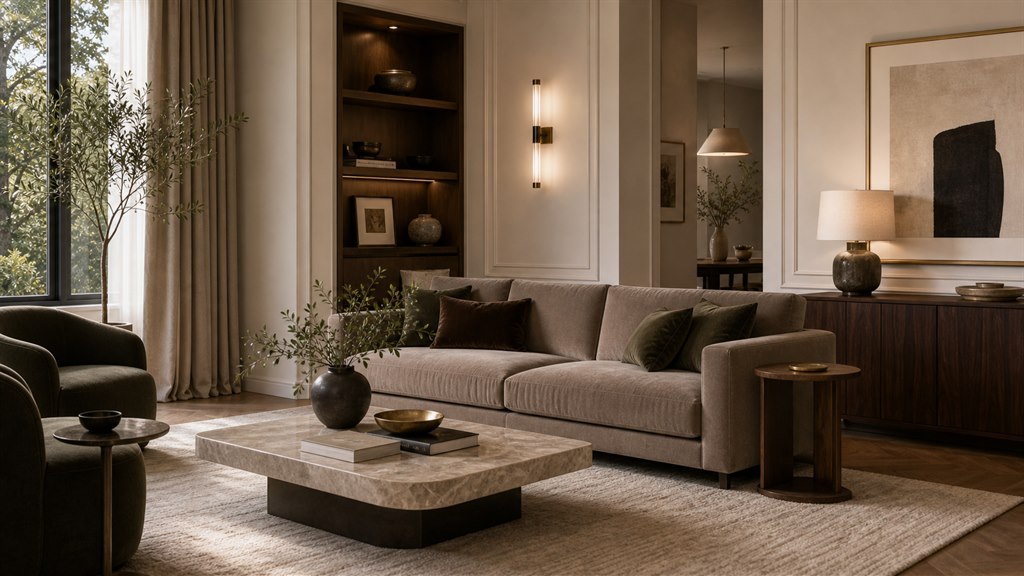
Calm home decor comes from reducing visual noise while keeping the room comfortable and personal. This guide helps you decide where to edit, how to use color and texture, and which practical details create a space that feels balanced rather than empty.
For the wider room-by-room framework, start with the smart home decor solutions guide.
Start with home decor ideas
Calm home decor is not empty decor It is thoughtful editing A calm room uses color texture light proportion and storage in a way that makes the home feel peaceful without losing personality The best calm interiors still have warmth depth and character they simply avoid visual noise
Begin with visual breathing room
The fastest way to create calm is to give the eye places to rest This does not mean removing every object It means leaving intentional empty space around strong pieces above a console beside a sofa around a coffee table arrangement or on a shelf
When every surface is full the room asks for attention from every direction When a few surfaces are edited the important pieces become easier to appreciate
This satellite guide belongs to the Decostead smart upgrades cluster and links back to the main smart home decor solutions pillar. Use it when a room feels busy, heavy, or mentally tiring even if the furniture is technically nice.
Choose a controlled color story
A calm palette usually starts with a base color such as warm white soft beige greige mushroom clay oatmeal muted olive or pale taupe Then it adds contrast slowly through wood black metal linen stone ceramic or one muted accent Current palette examples are covered in the home decor color trends guide
The mistake is using too many near random accents A room can include color and still feel calm but the color needs repetition If rust appears in one pillow repeat it through art a vase or a book spine so it feels intentional
A calm palette formula
-
Base warm neutral walls or large furniture
-
Support wood stone linen or woven texture
-
Accent one muted color repeated two or three times
-
Contrast small black brass or deep brown details
Use texture instead of more stuff
Calm rooms can feel cold when they rely only on flat surfaces Texture adds comfort without adding clutter Linen curtains boucle chairs wool rugs rattan baskets wood grain ceramic lamps and soft throws make a room feel layered while still quiet
The best texture choices are useful as well as beautiful A woven basket can hide throws A wool rug can soften sound A linen curtain can filter light A ceramic lamp can become both sculpture and evening warmth
Simplify the furniture silhouette
Calm decor becomes harder when every furniture piece has a loud shape Try mixing one or two expressive pieces with simpler supporting pieces A curved chair can be special if the sofa is quiet A sculptural coffee table can stand out if the rug and media unit are calm
If the room needs stronger layout logic connect this step with the mainsmart home decor solutionsframework function first style second details last
Control clutter without making the room sterile
Clutter control works best when storage is placed exactly where clutter appears If mail collects near the door add a small tray or cabinet there If blankets pile on the sofa add a basket beside it If skincare books or chargers collect on a nightstand choose a drawer instead of an open table
This approach feels realistic because it respects how people actually live Calm homes are not perfect homes They are homes with better systems
Make light softer in the evening
Harsh lighting can make even a beautiful room feel stressful Use warm bulbs shaded lamps dimmers and lower light sources Evening lighting should come from corners side tables shelves and wall washes instead of only from the ceiling
Soft light makes textures richer and helps the room shift from daytime activity to nighttime rest
Add one personal moment
A calm room still needs a human detail This could be one framed photo a handmade bowl a travel object a favorite book stack or a piece of art with quiet colors Without one personal moment calm decor can become generic
The trick is to make the personal object visible but not surrounded by too many competing items
Calm decor checklist
-
Edit surfaces before buying new decor
-
Repeat one accent color instead of adding many
-
Use texture to add warmth
-
Place storage where clutter starts
-
Use warm lighting in the evening
-
Leave empty space around strong pieces
-
Add one personal object for character
Room by room calm decor examples
In the living room calm begins with the seating area Keep the sofa palette controlled choose a rug that is large enough to connect the furniture and avoid filling every table with small accessories One strong lamp one vase and one soft throw can do more than ten unrelated objects
In the bedroom calm comes from repetition and softness Use bedding in related tones keep nightstands simple and avoid sharp lighting A quiet bedroom does not need to be plain it needs fewer interruptions
Entry and hallway calm
The entry often creates the first emotional impression A slim console mirror basket and warm light can make the home feel organized from the first step inside If shoes bags and mail are visible the rest of the home feels less peaceful before the visitor even reaches the living room
How calm decor helps daily life
Calm design is practical because it reduces decision fatigue When surfaces are edited and storage has a place cleaning becomes faster When colors repeat buying new decor becomes easier because you know what belongs When lighting is softer the room naturally shifts into rest mode in the evening
This is why calm decor is not only an aesthetic choice It is a daily comfort system It helps the home feel less demanding
Mistakes that make a calm room feel boring
The biggest mistake is removing too much personality A calm room still needs contrast texture and a few meaningful details If everything is beige flat and smooth the room may feel unfinished rather than peaceful
Another mistake is using only tiny decor Calm rooms often need one larger anchor a generous rug oversized art a sculptural lamp or a beautiful chair Scale gives the room confidence
-
Use texture when the palette is quiet
-
Use one larger focal piece instead of many tiny accents
-
Add a personal object so the room does not feel staged
-
Keep contrast soft but present
-
Repeat materials to create rhythm
A simple calm decor action plan
First remove the items that create visual tension Second choose a base palette and repeat it Third add texture through fabric wood stone or woven pieces Fourth improve lighting with at least one warm lamp Fifth bring back one personal object that gives the room life
Follow that order and the space will usually feel calmer before you buy anything major
Faq about calm home decor
Does calm decor have to be neutral
No Calm decor can include color but the color should be controlled and repeated Muted green clay rust blue or deep brown can all feel calm when used with restraint
How do i make a calm room feel warm
Use texture Linen wool boucle rattan wood ceramic and soft lighting add warmth without adding clutter Texture is what keeps calm decor from feeling flat
What should i remove first from a busy room
Start with surfaces Clear coffee tables consoles nightstands and open shelves Once those areas breathe it becomes easier to see whether the room needs storage lighting or a better layout
Final calm decor principle
Calm decor is not about having less personality It is about making each choice easier to understand When color texture storage and lighting work together the room feels peaceful and still personal
Continue the smart home decor upgrades series
Use these related Decostead guides when you want to keep improving the same home without jumping into random ideas
-
Back to the smart decor pillar
-
Simple Home Decor Ideas That Transform Any Room
-
Small Decor Details That Make a Room Feel Finished
[EXTERNAL_SUPPORTING_LINK_PLACEHOLDER: Add approved external supporting link here]
Related guides
Styles and trends
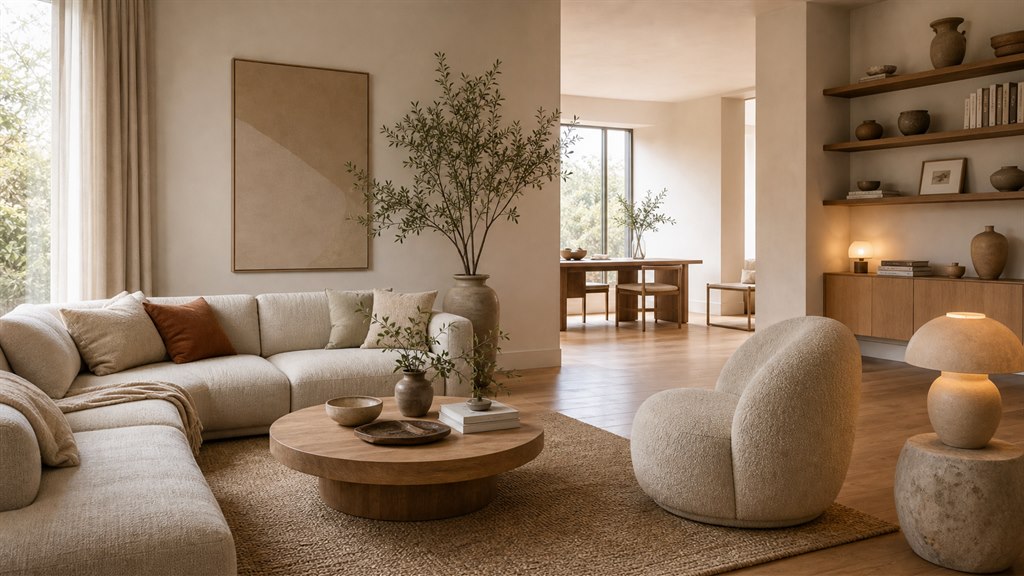
Home decor styles for modern homes
Compare the best home decor styles for modern homes and learn how to choose a style direction that feels practical timeless and personal
Styles and trends
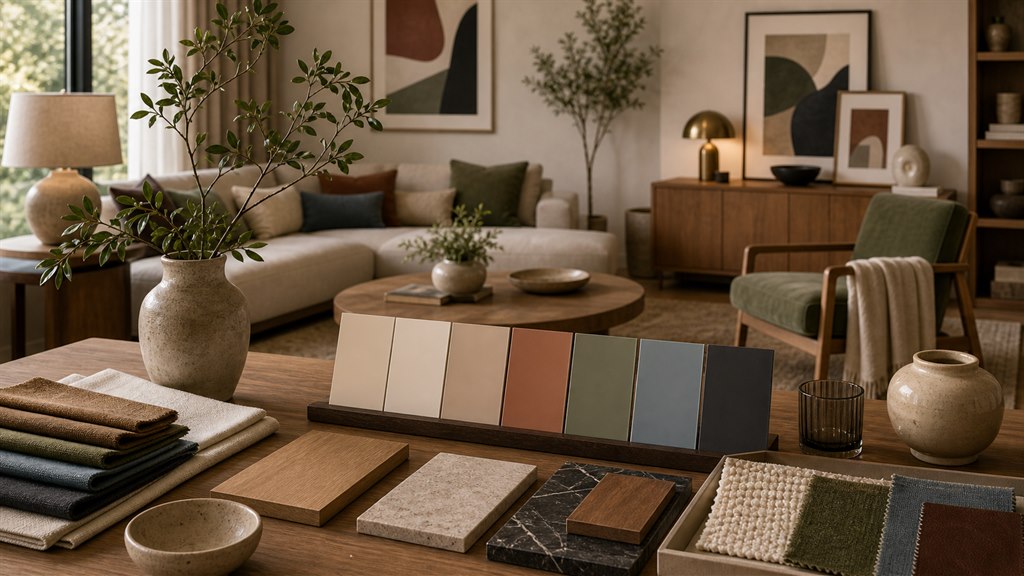
How to choose the right colors for your home
Learn how to choose the right colors for your home using mood light undertones the 60 30 10 rule and room by room palette planning
Styles and trends
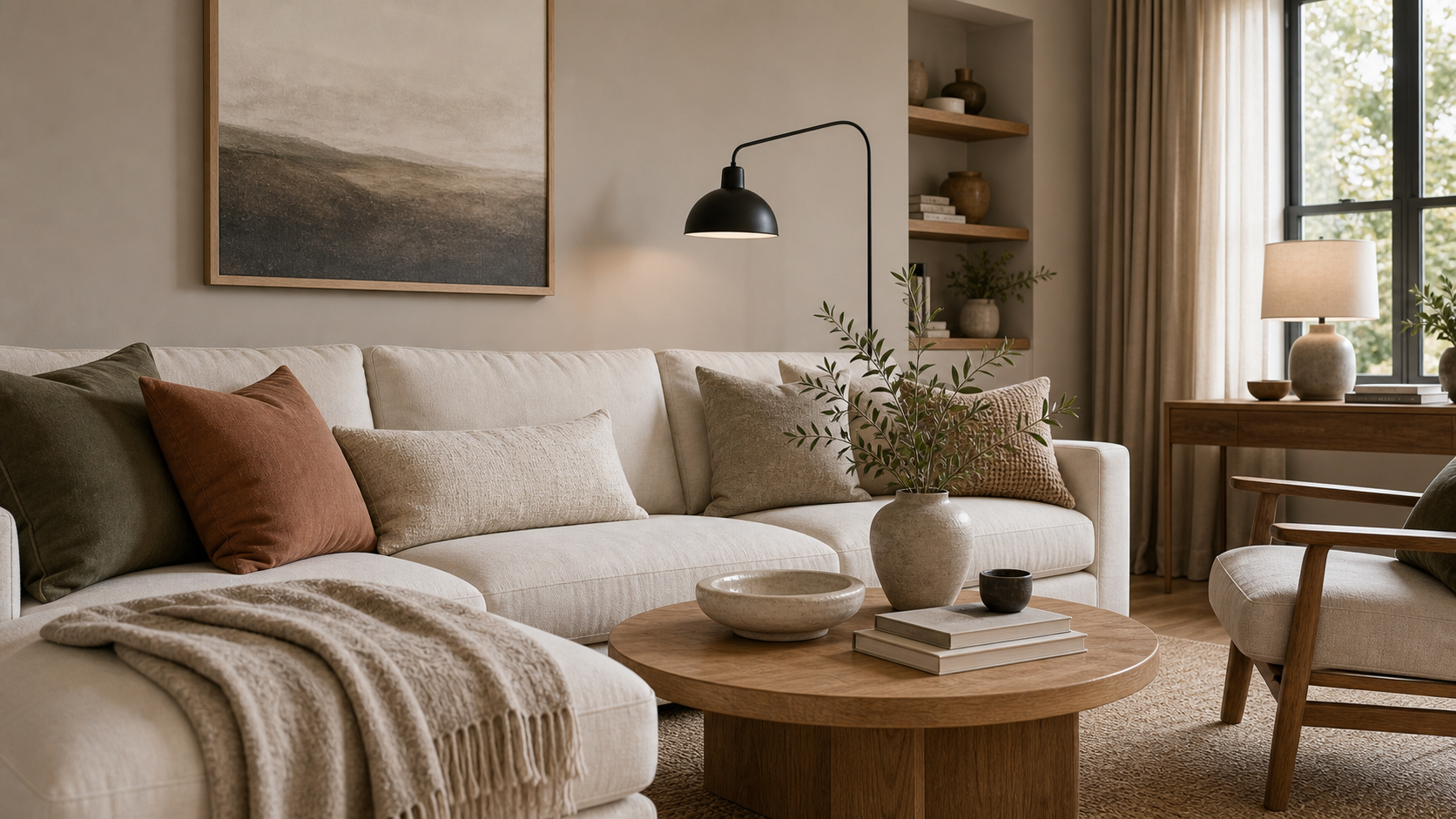
Live edge wood desk ideas for a natural home office
Style a live edge wood desk with the right size lighting storage natural textures and calm modern home office details