
Home Decor Trends
Outdoor living ideas for a modern home
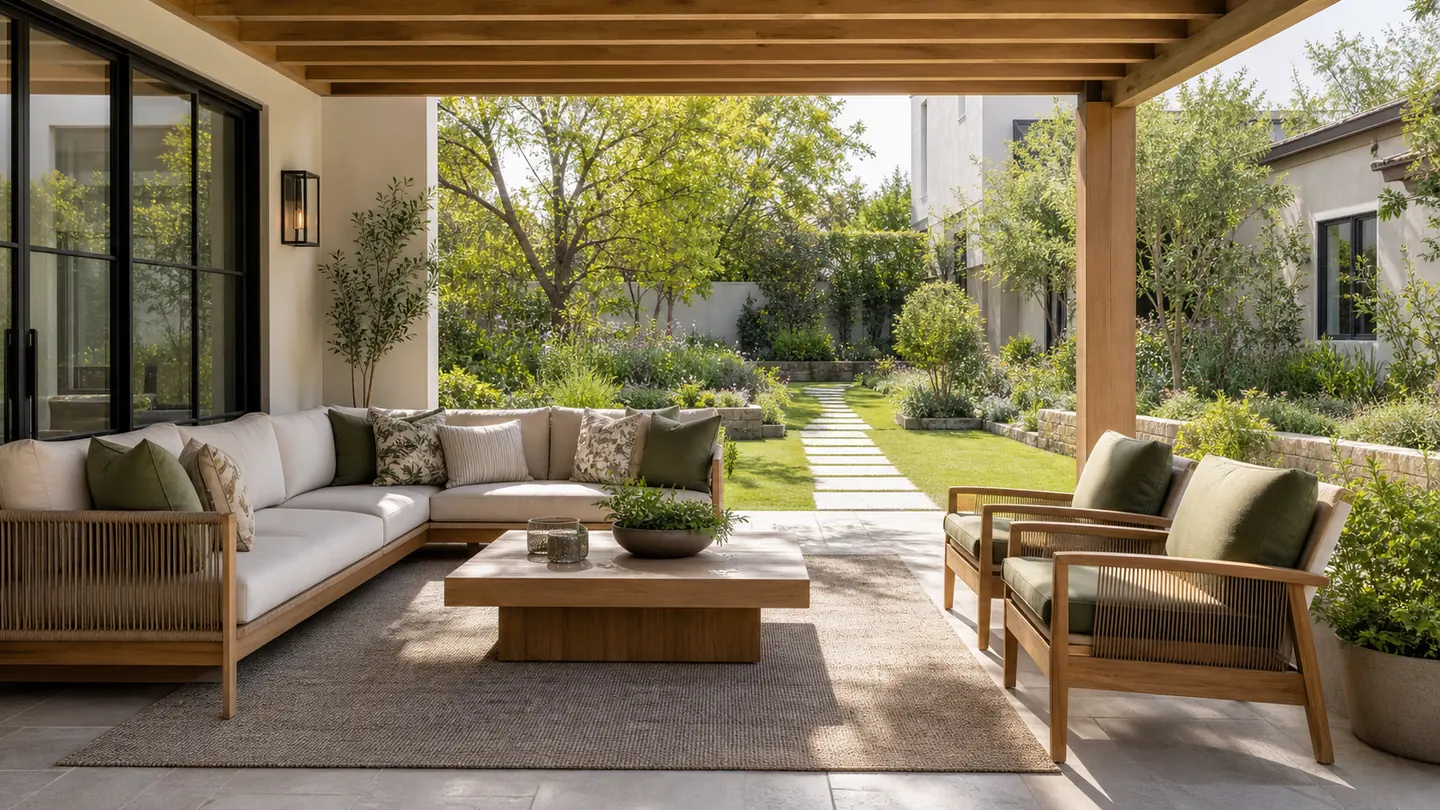
Start with the way you want to live outside
Outdoor living ideas work best when they begin with real life instead of a shopping list.
Think about the moments you want the space to support before choosing furniture plants or lighting. You may want a quiet place for morning coffee and a larger table for weekend meals. You may need a safe path for children and a shaded corner where an older family member can sit comfortably.
The most useful outdoor spaces feel like a natural extension of the home. They support the same daily routines as an indoor room while giving you fresh air sunlight and a closer connection to the garden.
Begin with the people who will use the space. Then consider what they will do there during a normal week and which weather conditions need to be managed. These answers create a practical design brief and prevent expensive mistakes.
Build the layout around movement
Good outdoor living ideas protect movement before they add decoration. Keep the route from the back door to the garden clear even when every chair is occupied. The path to a grill or outdoor kitchen should not cross the main conversation area.
Measure the usable area
Measure the patio or deck and mark doors steps railings and fixed features. Allow enough room for chairs to move and for people to walk behind them. A dining chair usually needs about three feet of clear space from the table edge to a wall or another obstacle.
Use painter tape outdoors or arrange empty boxes to test the size of large furniture before buying it. This shows whether a sectional blocks the view or whether a coffee table creates an awkward pinch point.
Create clear activity zones
A medium or large backyard can support more than one purpose when each activity has a visual boundary. An outdoor rug can define a lounge area. A pergola can frame a dining table. Planters can separate a quiet reading seat from a busier cooking zone.
Keep the zones connected rather than scattered. Repeat one or two materials such as warm wood and dark metal. Keep a clear path between each zone and use plants to soften the transitions.
Choose furniture for comfort and weather
Outdoor furniture should feel comfortable enough for a full conversation and durable enough for the local climate. Start with the way the furniture will be stored and protected during rain snow heat or strong wind.
Powder coated aluminum is light and resistant to rust. Teak and other suitable outdoor woods bring warmth but need care if you want to preserve their original color. Woven resin can provide texture with easier maintenance than natural wicker. Steel can be strong but its finish must remain protected in wet climates.
The cushion is as important as the frame. Look for outdoor fabric that resists fading and moisture. Choose removable covers when possible and make sure cushion inserts can drain and dry.
Deep lounge seating suits relaxed evenings while a more upright chair supports dining and conversation. Use one main seating family with a different accent chair or side table to add personality.
Bring the garden into the living area
Plants make an outdoor room feel connected to the landscape. They can also add shade privacy scent color and seasonal change. The best garden decor supports plant health instead of treating plants like temporary accessories.
Place sun loving plants where they receive enough direct light. Use shade tolerant varieties beneath a covered patio. Group containers with similar watering needs so daily care remains simple.
Use shelves and plant stands with a purpose
Garden shelves can turn a blank wall into useful growing and storage space. Use the upper shelves for smaller pots that need light. Keep heavier containers on the lowest level where the unit stays stable.
A narrow plant stand can display herbs near the kitchen door. A wider weather resistant shelf can hold pots gloves and a watering can. Secure tall units to a stable wall when wind is a concern. Leave air around the plants and avoid crowding foliage against hot siding.
Mix decorative and edible plants
An outdoor living space can be attractive and productive at the same time. Rosemary thyme sage and lavender offer useful leaves with strong shapes and fragrance. Lettuce parsley and chives can grow in containers close to the kitchen.
Compact tomatoes peppers and strawberries can add food to a sunny patio without turning the entire yard into a vegetable plot. Use larger pots when summer heat dries small containers too quickly. Choose containers with drainage holes and use saucers carefully so standing water does not damage a deck or attract insects.
Add shade before adding more furniture
Shade often improves an outdoor space more than another decorative purchase. It protects people from strong sun and can reduce fading on cushions and rugs.
A large market umbrella offers flexibility for a dining table. A cantilever umbrella can cover lounge seating without placing a pole in the conversation area. A pergola creates a stronger architectural frame and can support curtains or climbing plants.
Trees provide natural shade but their size roots leaf drop and distance from the house require long term planning. Watch the space at several times during the day before choosing a permanent structure.
Use outdoor lighting in layers
Outdoor lighting should help people move safely and make the garden feel calm after sunset. One bright fixture near the door is rarely enough. It can create glare close to the house and leave the rest of the yard dark.
Use wall lights near doors and cooking areas. Add low path lights where levels change or where a walkway crosses the garden. Place warm accent lighting near a tree textured wall or planting bed to create depth.
Choose warm light rather than harsh blue white light for dining and relaxing. Keep fixtures directed downward when possible. Solar lights can help in bright locations while low voltage wired lighting usually provides more reliable output for important activity zones.
[EXTERNAL_SUPPORTING_LINK_PLACEHOLDER: Add approved external supporting link here]
Make a small patio feel larger
Small outdoor living ideas need discipline more than tiny furniture. Choose a few pieces that solve several needs and leave visible floor space around them.
A storage bench can provide seating and hold cushions. A round table improves movement in a tight corner. Stacking chairs can be removed when they are not needed. A narrow console can support serving and gardening without the depth of a full cabinet.
Use vertical space for plants and tools while keeping the main view open. One larger plant can create a stronger focal point than a collection of crowded containers. Keep comfortable breathing room around each chair.
Connect indoor and outdoor style
The transition between the home and patio feels smoother when both spaces share a few design signals. Choose one material one color and one shape that can continue through the door.
An oak dining table inside can connect with teak or warm wood outside. Black window frames can relate to dark outdoor lighting and furniture frames. Soft olive cushions can echo indoor textiles without creating a perfect match.
Arrange the strongest outdoor focal point where it can be seen from the living room or kitchen. Keep storage bins hoses and maintenance tools away from the main sight line.
Plan storage before clutter appears
Outdoor spaces collect cushions toys garden tools grilling supplies and plant care products. Practical outdoor living ideas include a place for the things that support daily use.
A storage bench can hold cushions. A weather resistant cabinet can protect tools. Hooks can keep hoses and lightweight tools off the floor. Store only what the space really needs and keep a clear route around every storage piece.
Select materials that suit the climate
Material choice should follow weather before style. Check how much rain snow sun salt and wind the space receives. Choose finishes that can be cleaned and repaired without special effort.
Keep cushions dry when storms arrive. Use covers when they protect the fabric without trapping moisture. Inspect fasteners and finishes at the start of each season.
Avoid common outdoor living mistakes
Do not fill the patio before testing the walking paths. Do not place furniture where water collects. Do not choose shade structures without checking wind. Do not use indoor pieces outdoors unless the material is safe for the conditions.
Keep lighting comfortable and keep plants within a care routine that the household can maintain. A smaller space that works every week is more valuable than a larger space that needs constant resetting.
Outdoor living ideas for different budgets
A simple starting budget
Start with a comfortable chair or bench a small table and one useful planter. Add solar path lights and a washable outdoor textile when the basic route is clear.
A medium improvement budget
Add a coordinated seating group a shade solution and a small storage piece. Improve the planting plan with containers that match the light and watering routine.
A larger long term budget
Consider a pergola built in storage durable lighting and a stronger connection between the patio and garden. Plan these additions around drainage access and long term maintenance.
Build an outdoor space that earns its place
The best outdoor living ideas make daily life easier outside. Begin with movement then choose comfort weather protection plants lighting shade and storage in that order. The finished space should feel calm enough for ordinary mornings and useful enough for gatherings.
Related guides
Home Decor Trends
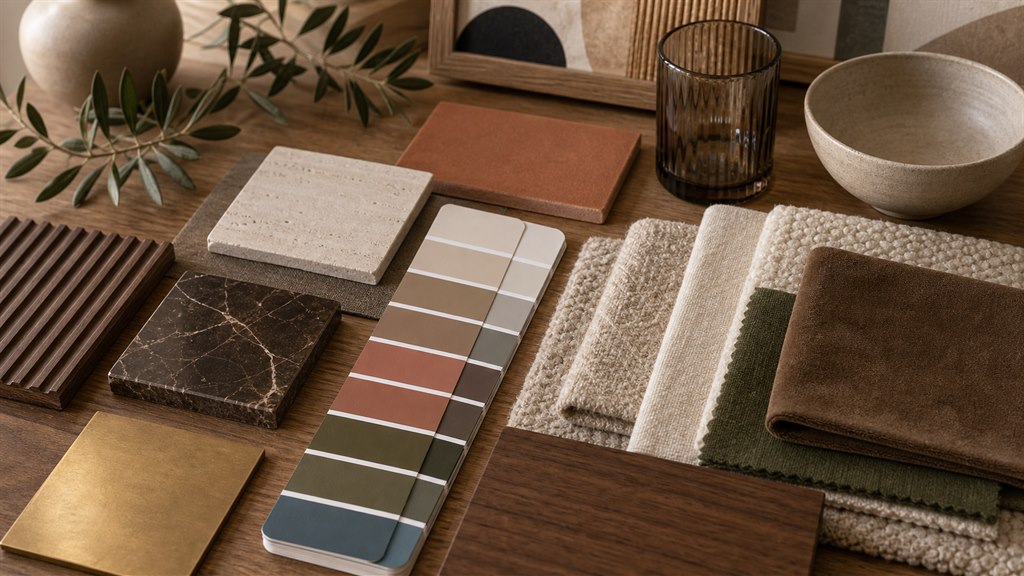
Color trends for home decor choosing palettes that age well
Choose home decor color trends wisely with warm neutrals, earthy tones, richer accents, and practical palette rules for rooms that last.
Home Decor Trends
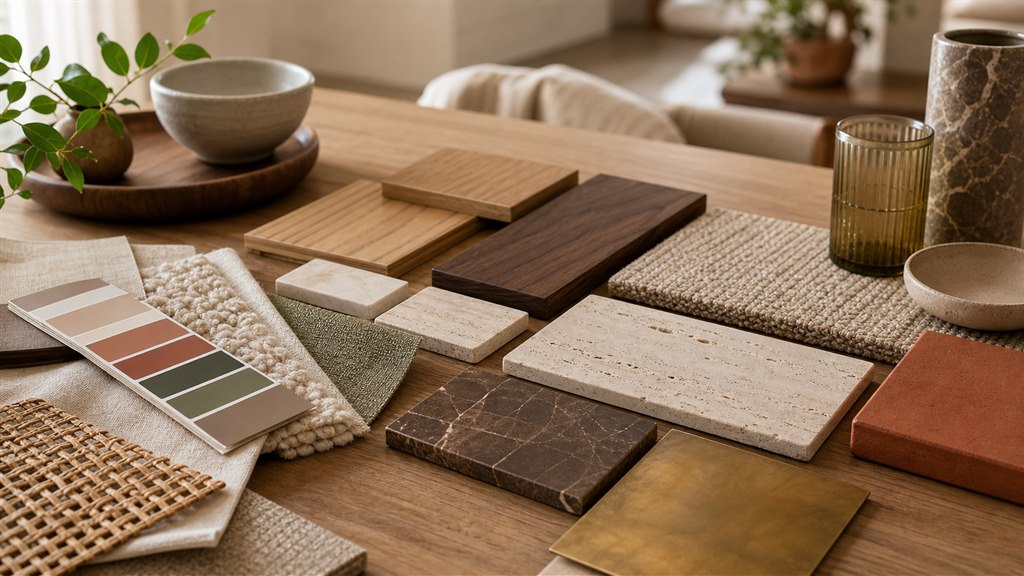
Interior design styles and home decor trends for 2026
Explore 2026 home decor trends interior design styles colors materials and timeless choices for a stylish modern home
Home Decor Trends
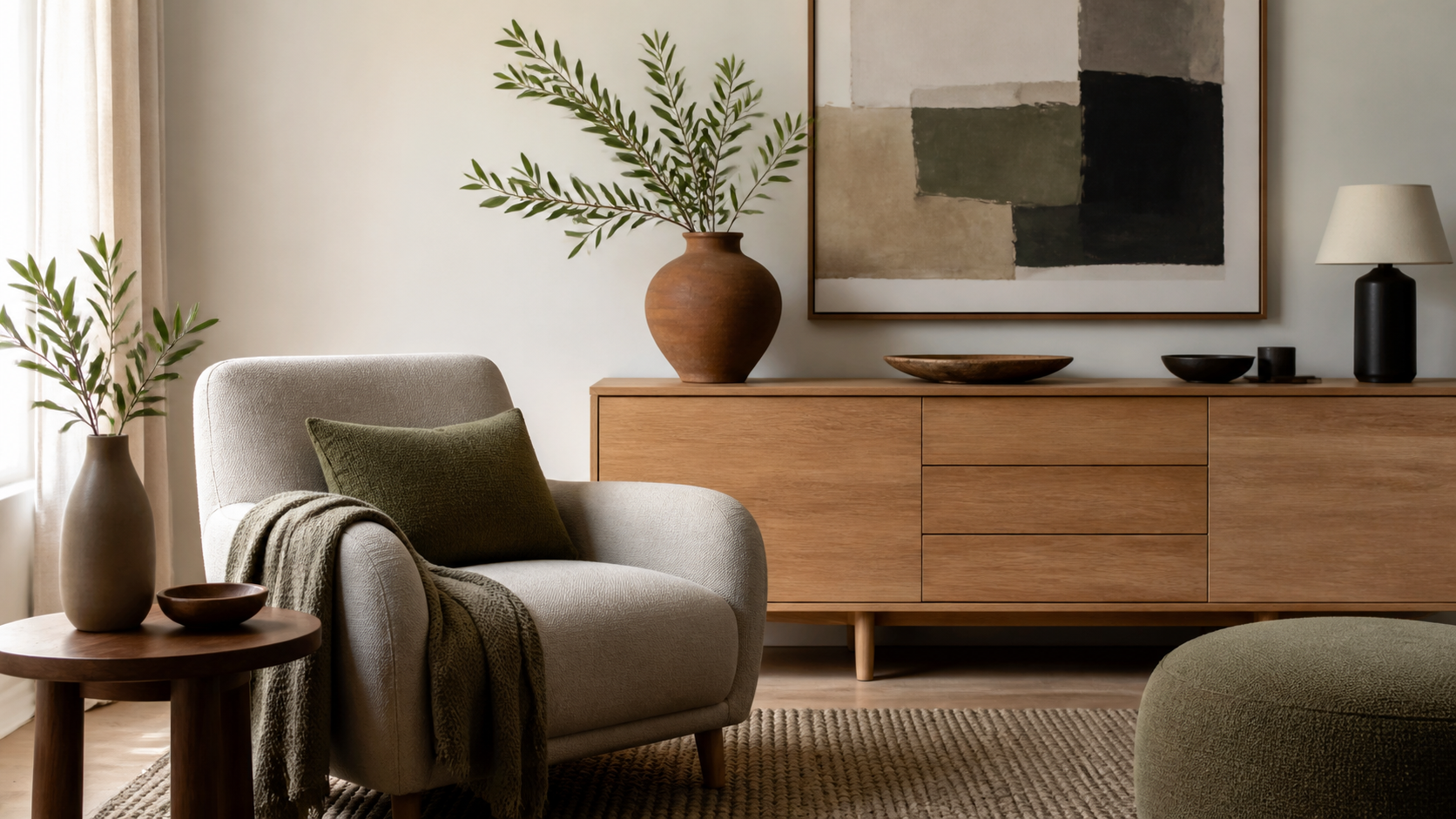
Modern home decor ideas for 2026
Explore modern home decor ideas for 2026 with warm neutrals natural texture layered lighting storage and decor accents for calm rooms