
Room Decor Ideas
Bedroom furniture arrangement ideas for better flow
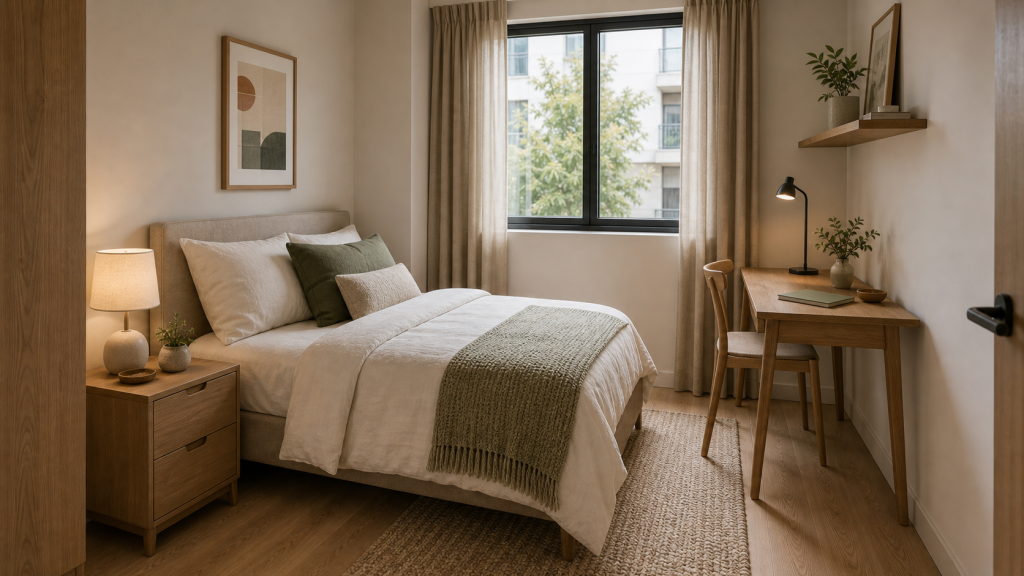
Bedroom furniture arrangement ideas should make the room easier to move through easier to use and easier to rest in. A bedroom can have beautiful furniture and still feel wrong if the pieces block the path crowd the bed or make daily routines harder.
The best arrangement begins with the bed then builds around walking space storage access nightstands lighting and the first view from the door. Each furniture piece should support comfort and flow instead of simply filling an empty wall.
Begin with the bed as the anchor
The bed is the main furniture piece in the bedroom so it should be placed before everything else. A good bed position gives the room a clear center and makes the rest of the arrangement easier to understand.
In many bedrooms the bed works best on the longest solid wall. This gives the headboard enough presence and leaves the room easier to balance. If the longest wall has doors windows or awkward corners choose the wall that gives the cleanest path and the most comfortable view from the doorway.
The bed should not block closet doors dresser drawers or the main route through the room. It should feel easy to approach and easy to make in the morning. In a shared bedroom try to leave useful space on both sides when the room allows it.
If the room is small the bed may need to sit closer to one wall. This can still look intentional when the wall side is styled simply and the open side has the clearer walkway. The right arrangement is the one that works with the real room rather than forcing symmetry where it does not fit.
Protect the walking path
Flow in a bedroom comes from the walking path. The route from the door to the bed from the bed to the closet and from the bed to the dresser should feel simple. The room will feel calmer when people can move without turning sideways around furniture.
Look at the floor before looking at decor. The open floor tells you whether the furniture arrangement is working. A clear path can make even a compact bedroom feel bigger because the room feels easier to use.
A dresser might fit against a wall but still make the room feel tight if the drawers open into the walkway. A chair might look nice in a corner but become annoying if it catches the path every day. A bench can be useful at the end of the bed but only when there is enough space to pass around it.
Small changes can improve flow quickly. Move the dresser to the quieter wall. Choose a narrower nightstand. Angle a chair slightly. Remove a piece that does not support daily life. The arrangement should help the room breathe.
Balance nightstands with the bed
Nightstands should support the bed without taking more space than the room can spare. Use two matching pieces when the wall allows it. Use one narrow table or a floating shelf when it does not.
Keep lamps and charging items close to the side they serve. Leave enough room to make the bed and walk past it.
Nightstands are small but they affect the whole bed wall. The height should feel close to the mattress so lamps books glasses and daily items are easy to reach. A nightstand that is too tall can feel awkward. A nightstand that is too low can make the bed wall look unfinished.
Matching nightstands can make the room feel calm and balanced but they are not always necessary. Two different pieces can work when their scale feels related. One side can have a small drawer table and the other side can have a wall shelf or compact stool when space is limited.
Choose nightstands based on what you actually use at night. If the room needs storage choose drawers. If the room needs lightness choose open legs or a floating shelf. If the room is very narrow choose wall lighting so the tabletop stays clear.
The nightstand area should not become a clutter zone. Keep only the daily essentials nearby and give everything else a drawer basket or tray. This keeps the bed wall calm and makes the room easier to reset.
Place storage where it supports the routine
Bedroom storage should sit where it supports the way the room is used. A wardrobe near the dressing path makes mornings easier. A dresser near the closet can keep clothing routines simple. A storage bench can help with bedding when it does not crowd the foot of the bed.
Do not place storage only because a wall is empty. Empty walls can be helpful in a bedroom because they give the eye a place to rest. Storage should solve a real need and still keep the room comfortable to move through.
Think about drawer clearance before choosing the dresser position. Open each drawer in your mind and check whether someone can still pass by. The same idea applies to wardrobe doors hampers baskets and under bed drawers. A room can look good in a photo but fail in daily life if storage cannot open easily.
Closed storage usually supports a calm bedroom better than open storage because it hides visual noise. The fronts should feel simple and connected to the room palette so storage becomes part of the design rather than a heavy block.
This satellite article focuses on furniture placement and room flow. For the full bedroom plan use the bedroom design ideas for a calm modern home pillar as the main guide and use this page for the arrangement part of the cluster.
Use scale to avoid crowding
Scale is one of the most important parts of bedroom furniture arrangement. A bed that is too large can make the room feel trapped. A dresser that is too deep can steal the walkway. A chair that is too wide can make a corner feel heavy.
Choose furniture that respects the room size. A slim bed frame can still feel stylish. A narrow dresser can hold enough clothing when it is well organized. A bench with open legs can feel lighter than a solid trunk in a small room.
In a large bedroom the problem is different. Furniture can feel scattered if each piece sits too far from the others. Use a rug bedside tables lamps and a bench to connect the bed zone. The room should feel generous but still grounded.
In a small bedroom leave more visible floor when possible. Furniture with legs floating pieces and lighter profiles can help. The eye reads open floor as space so every inch that stays clear matters.
Make the dresser feel intentional
The dresser is often the second largest piece after the bed. It should feel useful without becoming the visual center unless the room truly needs it. Place it where it can open fully and where the top can stay calm.
A dresser can work across from the bed when the room is wide enough. It can work beside the closet when clothing storage needs to stay together. It can work under a mirror when the wall needs height and function.
Keep the top of the dresser simple. A lamp mirror tray framed art or small branch arrangement can make it feel finished. Too many small objects can make the room look messy even when the rest of the furniture is arranged well.
If the dresser feels too heavy try balancing it with wall decor above it or a lamp beside it. If it still overwhelms the room the piece may be too deep or too dark for the space.
Add a chair only when it has space
A bedroom chair can make the room feel soft and useful but only when there is enough space around it. A chair should not block the walkway closet or dresser. It should feel like a calm place to sit rather than an obstacle.
If there is room choose a chair that fits the scale of the bedroom. A compact accent chair works better than a deep lounge chair in many bedrooms. A slim bench or small stool can give the same function with less visual weight.
Place the chair near a window corner or lamp so it has a clear reason to exist. A chair without light or purpose often becomes a place for clothes and clutter. The arrangement should help the room stay calm not create another surface to manage.
If the bedroom is too small for a chair skip it without regret. A clear path and a calm bed wall are more important than adding furniture that the room cannot hold.
Keep furniture away from the door swing
The door area sets the first feeling of the bedroom. If the door opens into furniture the room immediately feels tight. Keep the area near the door as clear as possible so the entrance feels calm and easy.
Check closet doors too. Sliding doors need clear access. Hinged doors need swing space. Drawers need room to open. The furniture arrangement should respect these movement zones before it adds extra decor.
When there is very little space use the door wall for shallow pieces only. Hooks a slim mirror or a narrow shelf can work better than deep furniture. The door should open without hitting or crowding anything.
Finish with a simple layout test
After arranging the furniture walk through the room as if it is a normal day. Enter the room reach the bed open the closet open drawers turn on a lamp and move around the foot of the bed. The layout should make every step feel easy.
Then sit on the bed and look around. The room should feel balanced from where you actually spend time. The nightstand should be easy to reach. The lighting should make sense. The storage should not feel too heavy. The pathway should feel clear.
If something feels wrong move one piece before buying anything new. Most bedroom arrangement problems come from placement not lack of decor. The strongest room is usually the one where each piece has a clear job and enough space to do it well.
A good bedroom furniture arrangement makes the room calmer because it removes friction. It supports rest storage movement and daily routine. When the furniture is arranged well the whole bedroom feels larger softer and more complete.
[EXTERNAL_SUPPORTING_LINK_PLACEHOLDER: Add approved external supporting link here]
Related guides
Room Decor Ideas
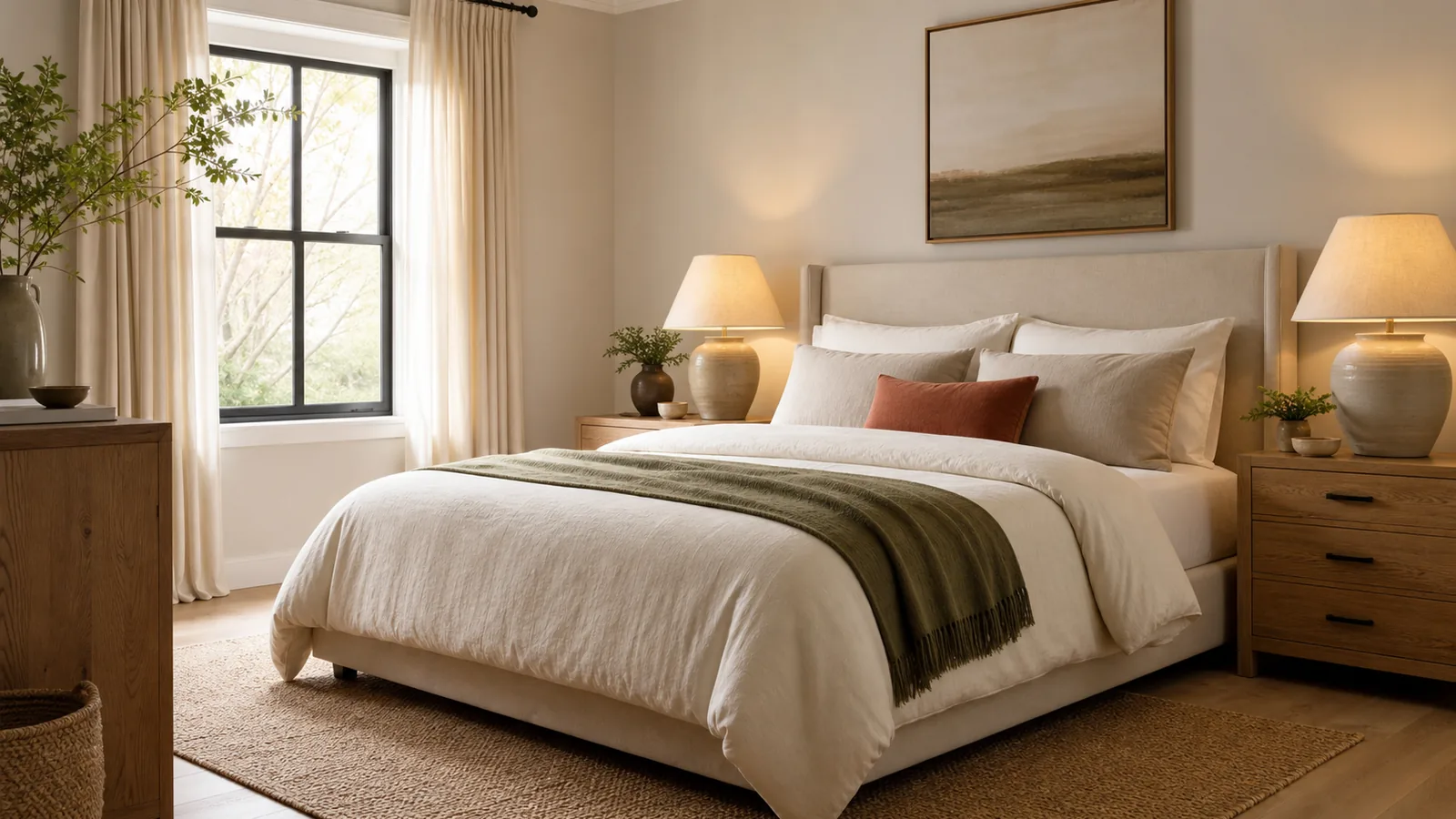
Bedroom color ideas for a calm and timeless look
Bedroom color ideas for a calm timeless look using warm neutrals soft contrast natural texture and restful lighting
Room Decor Ideas
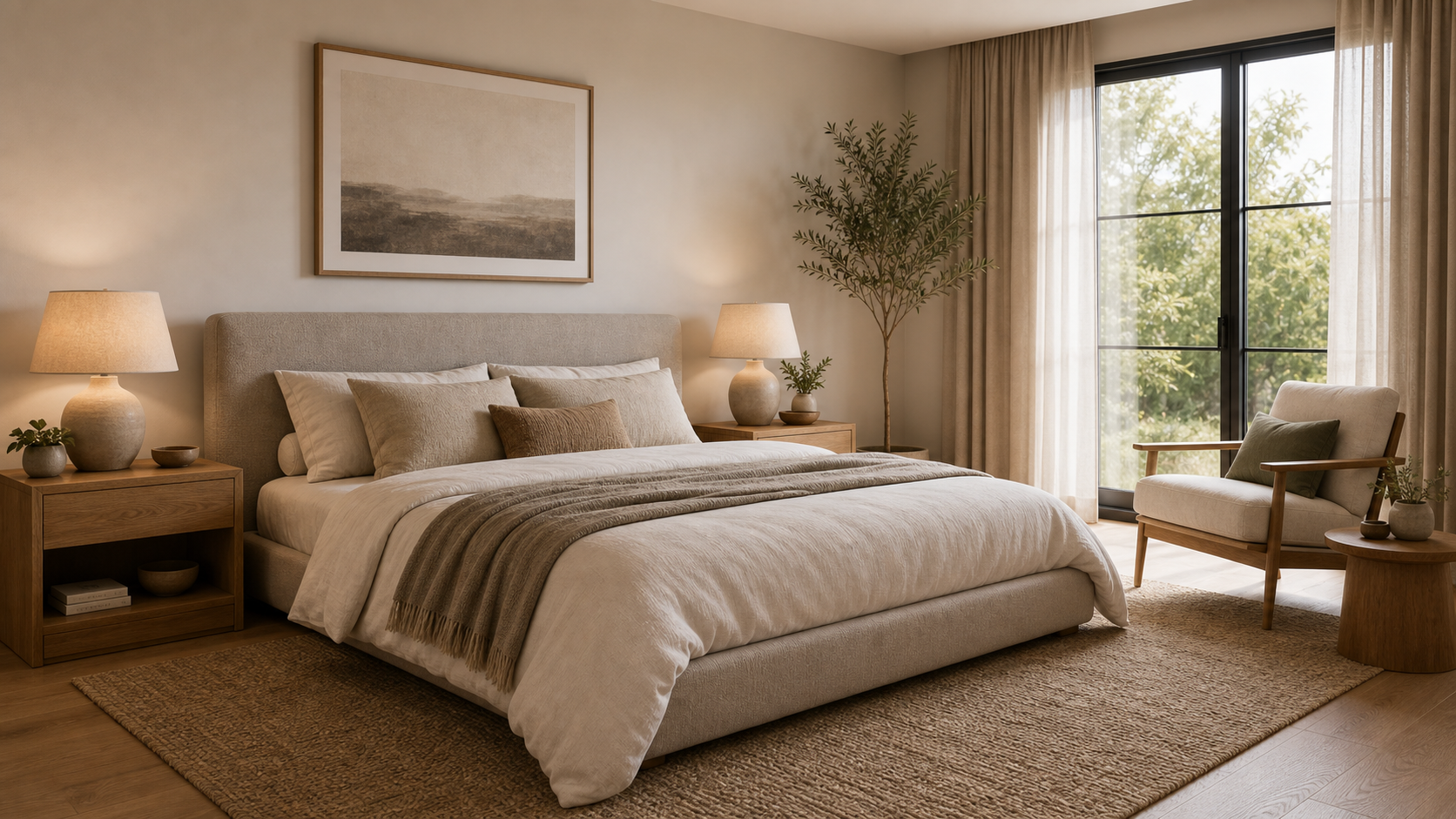
Bedroom design ideas for a calm modern home
Bedroom design ideas for a calm modern home with layout furniture color texture lighting storage bedding and simple restful decor
Room Decor Ideas
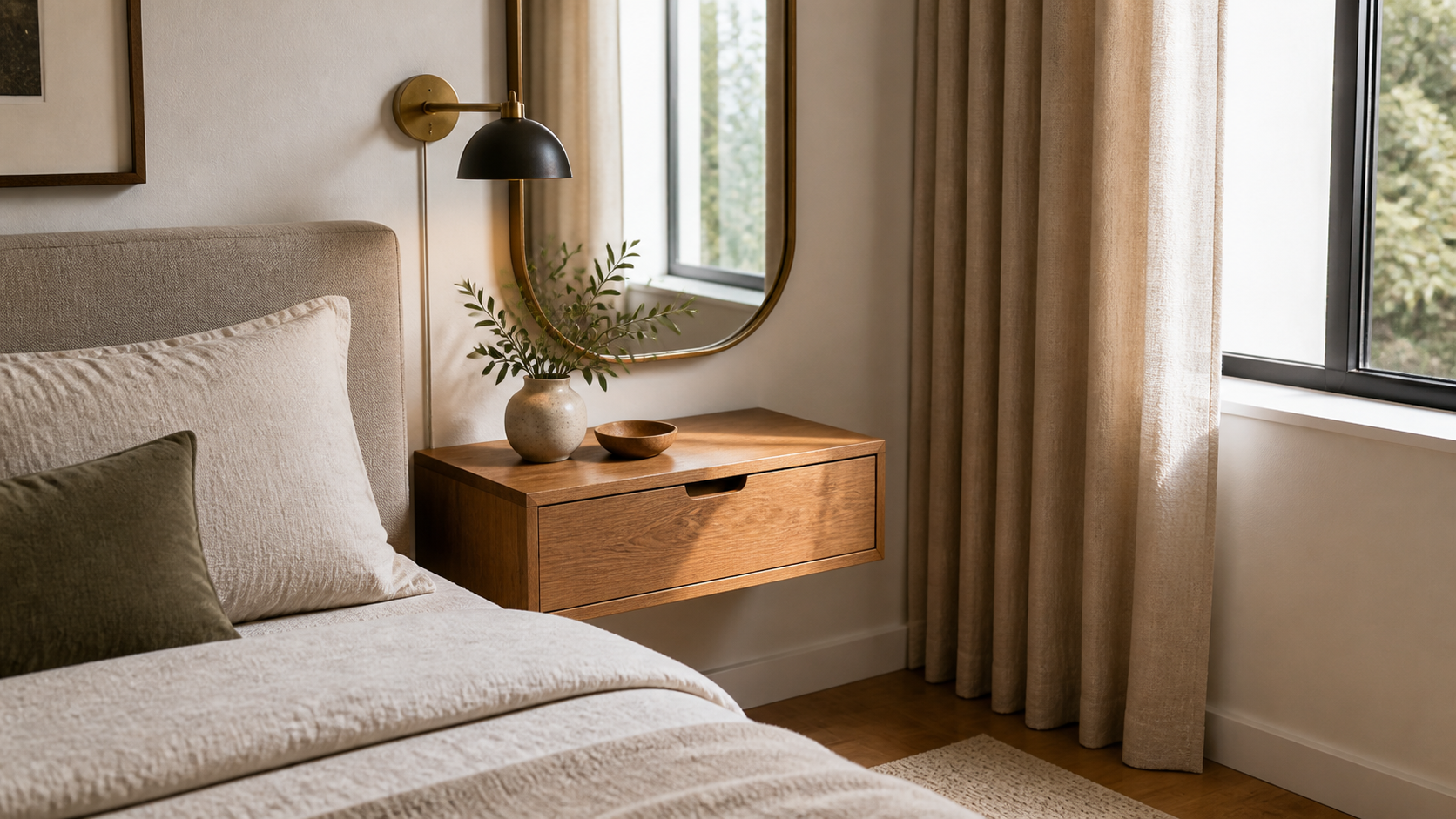
Bedroom lighting ideas for a warm relaxing space
Bedroom lighting ideas for warm ambient light bedside lamps task lighting accent glow bulb warmth and a calm relaxing bedroom