
Decor Accents
Decorative lighting ideas for a warm modern home
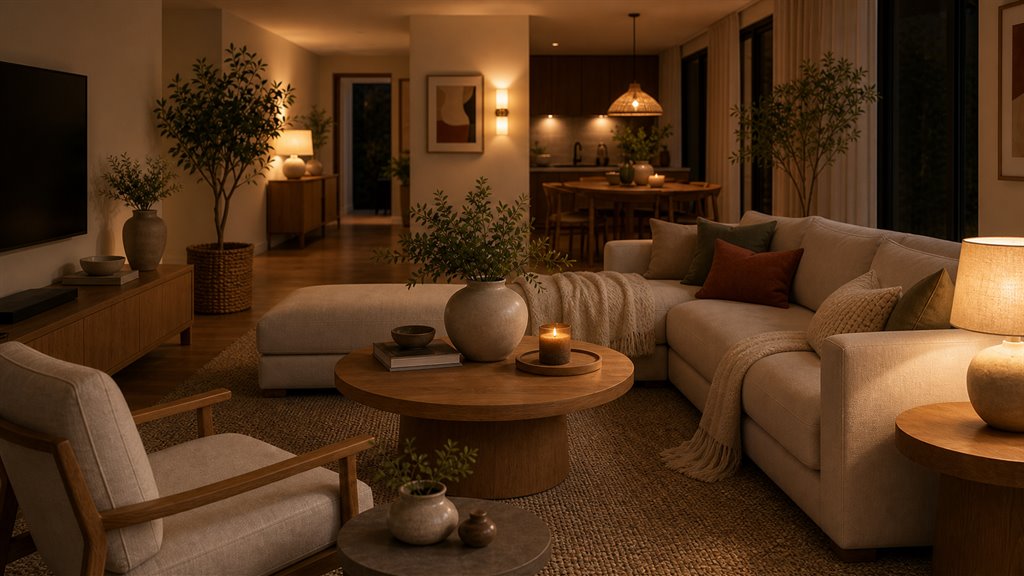
Decorative lighting ideas can make a modern home feel warm before any new furniture arrives Light changes the mood of a room faster than color pillows rugs or wall decor A lamp can soften a corner A wall sconce can make a hallway feel finished A small shelf light can turn simple objects into a quiet focal point The goal is not to make the room brighter everywhere The goal is to make the light feel layered useful and calm Many rooms feel unfinished because they depend on one ceiling light The ceiling light may help with cleaning and movement but it often makes the room look flat at night A warm home needs different light levels that work together Each level should help a real moment Reading relaxing eating hosting moving through the room or ending the day
Start with decorative lighting ideas
Start by looking at the room in the evening This is when lighting problems are easiest to see Notice where the room feels dark and where the light feels harsh Notice if faces look shadowed near the sofa Notice if the coffee table looks dull or if the corner beside the chair disappears These clues show where decorative lighting can help A good lighting plan does not begin with buying the most beautiful lamp It begins with the feeling the room is missing If the space feels cold choose warmer bulbs and softer shades If the room feels empty add a lamp with height If the room feels busy use simpler fixtures with quiet finishes If the room feels flat add light near textured surfaces so the materials become visible
Use three lighting levels
The first level is ambient lighting This is the general glow that helps the room feel open It can come from ceiling fixtures recessed lights or a large floor lamp The second level is task lighting This helps with reading cooking working or getting dressed The third level is accent lighting This adds mood and highlights shelves art plants niches or a beautiful wall texture When these three levels work together the room feels more expensive and more comfortable A living room may use a ceiling light for movement a floor lamp beside the sofa for reading and a small lamp on a console for atmosphere A bedroom may use a soft overhead fixture bedside lamps and a low glow near a dresser An entryway may use a ceiling fixture and one small lamp to make the arrival feel warm
Choose warm bulbs before changing fixtures
Bulb temperature can change the whole room Warm bulbs usually make decor look softer and more inviting Cool bulbs can make neutral rooms feel gray and sharp A warm modern home often works best with bulbs that sit in a soft warm range especially in living rooms bedrooms dining rooms and entryways Bright white light can stay in task zones when clarity is needed but it should not control every room Bulb strength matters too A lamp that is too bright can feel uncomfortable even if the fixture is beautiful Use lower brightness where the goal is mood and stronger brightness where the goal is function Dimmers are useful because the same fixture can support different moments A room can be bright while cleaning and soft while resting Look at how the bulb affects fabric wood stone metal and wall color Warm light can make wood feel richer and textiles feel softer It can also make beige and cream palettes look more natural The bulb is a small choice but it controls how the whole decor story appears at night
Let lamps act as decor objects
Lamps are not only sources of light They are also decor accents with shape texture and scale A ceramic table lamp can add softness to a console A metal floor lamp can bring a clean line beside a sofa A woven shade can add texture without adding another pattern A glass lamp can keep a small room feeling light Choose lamps that repeat something already in the room If the coffee table has warm wood a lamp with a wood base can connect the look If the room has black frames a slim black lamp can feel intentional If the room has linen curtains a fabric shade can make the lighting feel connected to the textiles Repetition makes lighting feel part of the design rather than an afterthought Lighting works best when it supports the full accent plan of the room For a wider styling structure use the modern home decor accent ideas pillar and treat this guide as the lighting layer inside that bigger decor system
Place lighting where the room feels unfinished
A room often tells you where a lamp belongs Empty corners dark shelves long console tables and wide walls usually need help A floor lamp can make a reading corner feel useful A small table lamp can soften a console or sideboard A picture light can make art feel intentional A shelf light can bring depth to objects that otherwise look flat Do not place lamps only where there is an outlet Place them where the room needs balance If the sofa side feels heavy add light to the opposite side If one wall feels blank use a wall sconce or tall lamp to create height If the room has many low objects add a lamp that lifts the eye upward Good lighting corrects the visual weight of a room In small rooms choose lamps with slimmer bases and simple shades A large heavy lamp can take too much visual space A wall mounted light can free a nightstand or side table A plug in sconce can give the feeling of built in lighting without a large project
Match the lighting finish to the room
Lighting finishes should feel connected to the rest of the decor Brass can add warmth Black can add contrast Chrome can feel clean and modern Bronze can feel grounded Wood and ceramic can feel soft and natural The finish does not need to match every handle in the room but it should not feel lonely If the room already has several metal finishes choose one dominant finish and one support finish Too many finishes can make the lighting feel accidental A black floor lamp can work with brass picture frames if the black appears somewhere else A brass table lamp can work with wood furniture when the shade and bulb keep the look soft
Use lighting to show texture
Texture becomes more visible when light touches it from the side A wall sconce can reveal plaster texture A table lamp can make woven baskets and ceramic vases feel warmer A floor lamp near curtains can make fabric look softer This is why lighting and decor accents should be planned together The light gives small details more presence without adding more objects Use this idea carefully near shiny surfaces Strong direct light can create glare on glass frames glossy tables and mirrors Soft shades and indirect light are better for calm modern rooms A glow that touches the wall often feels more relaxed than a bulb aimed straight into the room
Common lighting mistakes
The most common mistake is relying on one overhead light Another mistake is choosing a lamp that is too small for the surface A tiny lamp on a wide console can look lost A very tall lamp on a small table can feel awkward Bulb color is another common problem because a beautiful fixture can still look cold with the wrong bulb Another mistake is adding decorative lights without purpose Every lamp should help the room in some way It can help with reading soften a corner balance a wall or make a surface feel complete If the light does not improve mood or function it may only add clutter
Make each room feel connected
Lighting should move through the home with the same quiet language A warm lamp in the living room should not feel completely separate from the hallway or bedroom Choose similar bulb warmth and repeat one finish or one shade texture across nearby rooms This creates a soft connection without making every fixture match exactly Small lighting changes can also guide the way people use the home A lamp near a reading chair invites slow time A glow near shelves makes the room feel cared for A soft light near the entry makes the home feel welcoming before the main room begins These small choices make decorative lighting feel useful and personal
Decorative lighting checklist
Check the room at night before choosing the final lighting Look for one ambient source one task source and one accent source Choose warm bulbs for relaxing rooms Use lamps as decor accents that repeat materials already in the space Place light where the room feels unfinished Keep glare low and let texture show The result is a home that feels warmer more layered and easier to enjoy every evening Decorative lighting is powerful because it changes how every other detail is seen When the light is soft and balanced the pillows feel cozier the wall decor feels more intentional the rug feels warmer and the whole room feels complete
[EXTERNAL_SUPPORTING_LINK_PLACEHOLDER: Add approved external supporting link here]
Related guides
Decor Accents
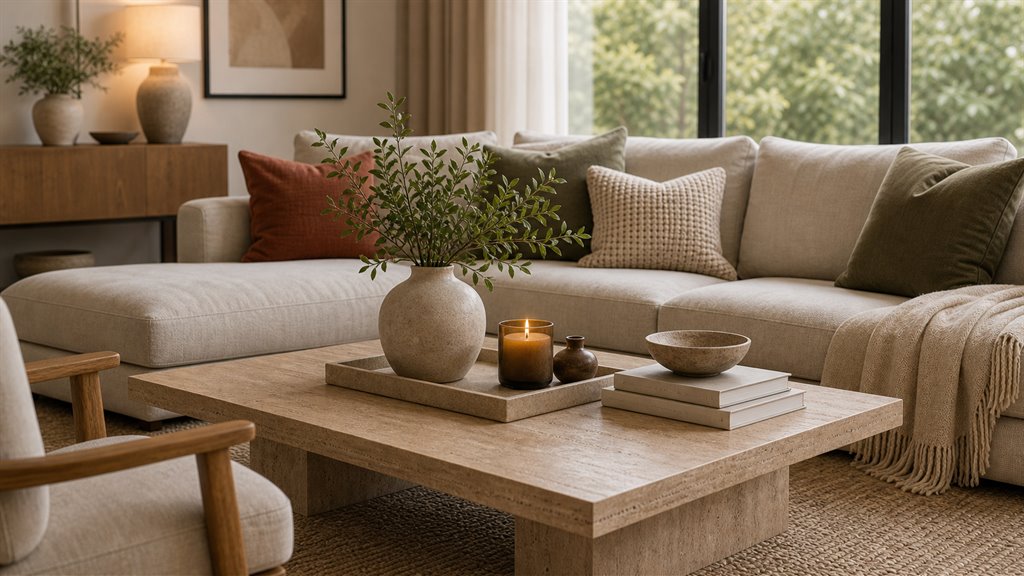
Coffee table decor ideas for living rooms
Use coffee table decor ideas with trays books bowls florals candles and scale tips for a polished living room.
Decor Accents
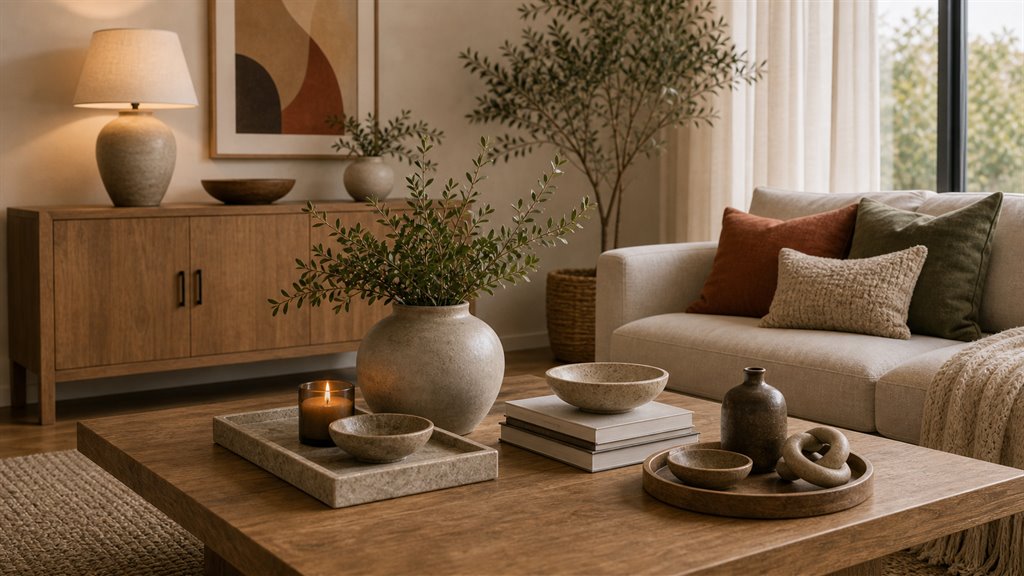
Decorative vases bowls and tray styling ideas
Learn how to style decorative vases bowls and trays with height texture color and balance for a curated modern home.
Decor Accents
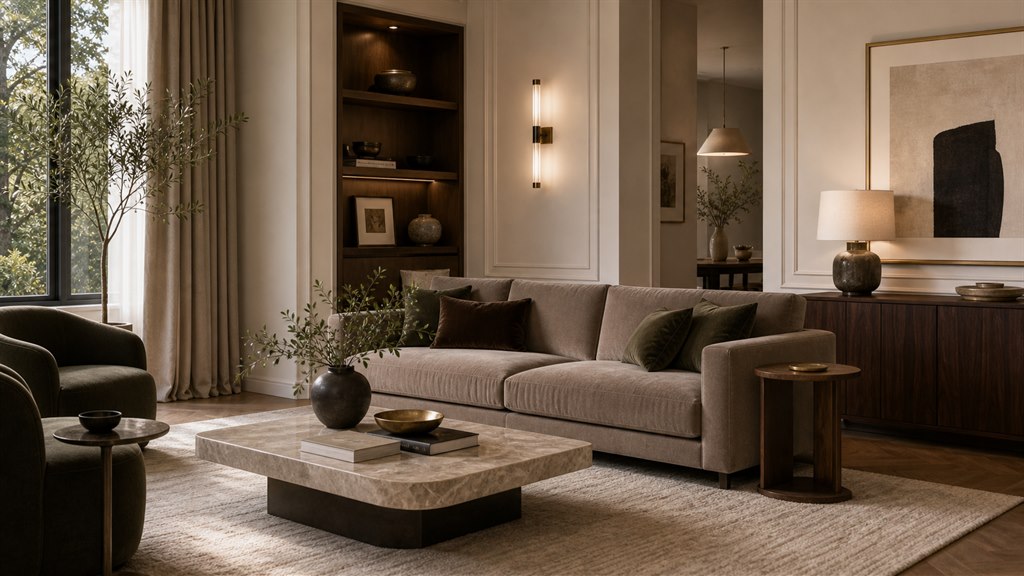
Designing a modern neutral living room that feels effortless and elegant
Modern neutral living room ideas with warm neutrals texture lighting decor accents and practical styling for a calm elegant home