
Decor Accents
Designing a modern neutral living room that feels effortless and elegant
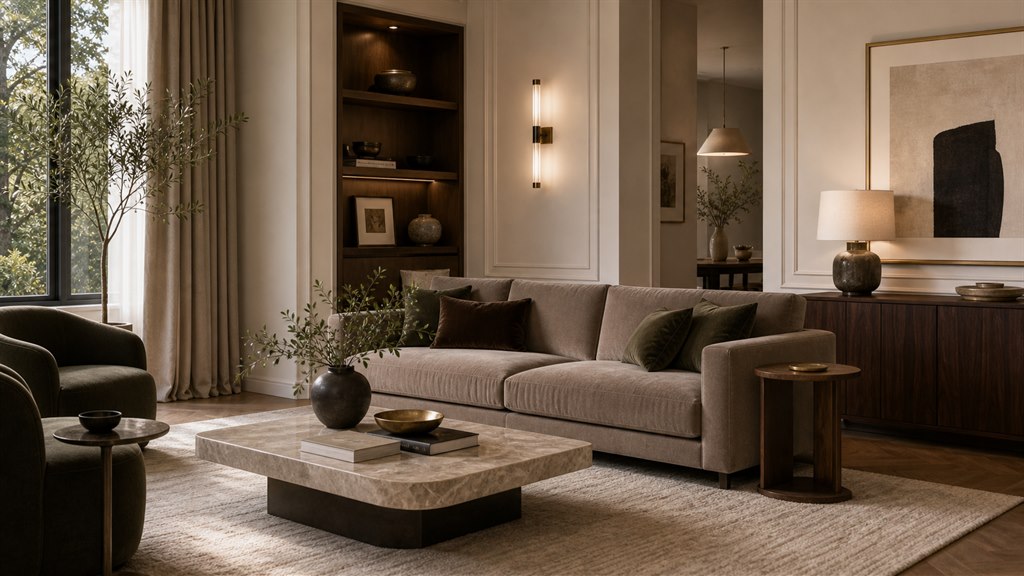
Designing a modern neutral living room that feels effortless and elegant starts with restraint A neutral room looks simple from far away but the best ones are built through careful choices of scale texture light and balance The goal is not to make everything beige The goal is to create a room that feels calm warm and complete without looking empty or over styled A neutral living room can fail in two opposite ways It can feel flat because every surface has the same color and texture It can also feel busy because too many small accents are added to fix the emptiness The best approach sits between those two problems Keep the large pieces calm and let the accent layers bring depth in a controlled way
Start with the main seating shape
The sofa is usually the largest visual piece in the living room so it sets the pace for the whole design A cream sofa feels soft and open A warm gray sofa feels grounded A beige sofa feels relaxed and easy to layer The important part is not only color but shape A low sofa feels casual A structured sofa feels more polished A deep sofa needs bigger pillows and a larger coffee table so the room does not feel weak beside it Leave enough room around the seating so the space feels natural A neutral living room loses elegance when movement feels tight The coffee table should sit close enough to use but far enough to walk around Side tables should support the sofa without crowding it Chairs should complete the conversation area rather than float like separate objects
Choose warm neutrals before adding decor
Warm neutrals help a living room feel elegant without becoming cold Cream ivory oat taupe mushroom warm gray sand and light brown can all work together when they share a soft undertone Cool gray beside yellow beige can feel accidental so test colors beside the furniture and flooring before adding more decor The strongest neutral rooms use small shifts instead of one repeated shade A cream wall can sit with a taupe rug pale oak table and linen curtains A beige sofa can sit with ivory pillows walnut accents and a soft black lamp This creates depth while keeping the mood quiet
Let texture do the important work
Texture is what makes a neutral living room feel finished Linen cotton wool boucle jute oak ceramic stone glass and woven materials all create quiet contrast These details matter more than bright color because they make the room feel rich while keeping the palette calm Layer texture in places people notice naturally The sofa needs pillows with different fabrics The floor needs a rug with some depth The coffee table needs one or two objects with real surface quality Shelves need a mix of books ceramics and empty space Curtains can soften the walls and make the room feel taller A good test is to look at the room in evening light If the room still has depth when the colors become softer then the texture is working If everything blends into one flat shape then the room needs more material contrast rather than more decoration
Keep furniture simple and comfortable
Elegant neutral rooms usually avoid furniture that tries too hard The coffee table can have a simple shape with a strong material A side table can repeat the wood tone or metal finish A chair can add a slightly different texture without breaking the calm mood The furniture should look easy to live with and not only decorative Comfort matters because a room that looks elegant but feels stiff will not stay beautiful in daily life Choose seating that supports how the room is actually used A family living room may need washable fabrics and rounded edges A quiet adult sitting room can handle lighter materials and more delicate surfaces The design should respect the life inside the room
Add accents that create quiet elegance
Accent decor should make the neutral room feel complete without stealing attention Use lamps pillows throws trays vases bowls books candles plants and wall decor with purpose Each accent should answer a need in the room It can add height warmth softness storage order or a focal point For the deeper accent strategy behind this room use the modern neutral accent decor for living rooms pillar as the main guide and use this article for the full room design layer When accents feel random the room loses the effortless look Repeat materials so the eye understands the room faster A ceramic vase can connect to a stone bowl A wood tray can connect to the coffee table A black lamp can connect to picture frames A woven basket can connect to the rug These repeats make the room feel styled without looking forced
Use lighting to make neutrals feel warm
Lighting decides whether a neutral room feels cozy or cold A ceiling light alone can make beige and gray tones look flat Add table lamps floor lamps or wall lights so the room has a softer evening mood Warm bulbs usually work better in living rooms because they make wood fabric and ceramics feel richer Place light where the room needs shape A floor lamp beside a reading chair gives the corner a purpose A lamp on a console creates a warm arrival point A small shelf light can make simple decor feel more intentional Lighting is both function and accent decor in a neutral room
Style the coffee table with restraint
The coffee table should look useful and calm Start with one tray or a stack of books Then add one object with height and one lower object such as a bowl or candle Leave open space for daily life A table that is covered edge to edge feels staged and becomes annoying quickly Round tables need fewer pieces because the shape already feels soft Square tables can be divided into zones A long rectangular table can use two calm groups with space between them The styling should match the table shape rather than copy one formula everywhere
Balance the room with quiet contrast
A neutral living room needs contrast even when the palette stays soft Contrast can come from a black lamp a darker wood bowl a deeper rug border or a framed artwork with a stronger line These touches stop the room from looking washed out The key is to use contrast in small controlled places so the space still feels calm Look for the areas where the eye gets tired If every object has the same weight add one darker or taller piece If the room feels too heavy add lighter textiles or a glass object If the sofa wall feels empty add a larger artwork instead of several tiny frames Quiet contrast makes the room feel considered without making it dramatic
Make the layout feel lived in
Effortless elegance depends on how the room supports daily habits A side table should be near the seat where someone reads A tray should hold the small objects that usually spread across the table A basket should sit where throws are actually used A lamp should be close to the corner that becomes dark at night This practical layer makes the room feel natural A living room that only looks good for a photo will become messy quickly A room that supports real habits keeps its calm style longer because every object has a useful place
Use scent greenery and small details carefully
The final layer can include a candle branches a small plant a ceramic dish or a bowl with natural texture These details should stay quiet and edited A single branch in a vase can add height better than many small accessories A small plant can soften a hard corner A candle can make the coffee table feel warmer without adding visual clutter Choose details that match the room mood and remove pieces that do not serve the space The best neutral living rooms feel personal because the final accents are selected with care rather than added to fill silence
Avoid the mistakes that make neutral rooms feel unfinished
The first mistake is using only smooth surfaces A smooth sofa smooth table plain wall and flat rug will make the room feel thin even when the colors are beautiful The second mistake is using decor that is too small Tiny art tiny lamps and tiny pillows make a room feel uncertain The third mistake is adding many colors because the room feels plain The better fix is often scale texture and lighting Another mistake is forgetting the doorway view A living room should make sense when someone enters the space Check if the sofa wall feels balanced Check if the coffee table has a clear center Check if the corner has height Check if one side of the room feels heavier than the other These small checks create the effortless look people notice but cannot always explain
Simple neutral living room plan
Start with a comfortable seating layout Choose warm neutrals with connected undertones Add texture through rugs pillows curtains and ceramics Keep furniture simple and useful Add accents with purpose Use warm lighting and edit every surface from the doorway The result is a modern neutral living room that feels elegant because every layer has a reason A good neutral living room should feel easy to sit in and easy to maintain It should look calm in daylight and warm at night When the base is quiet and the accents are chosen with care the room feels effortless without being empty
[EXTERNAL_SUPPORTING_LINK_PLACEHOLDER: Add approved external supporting link here]
Related guides
Decor Accents
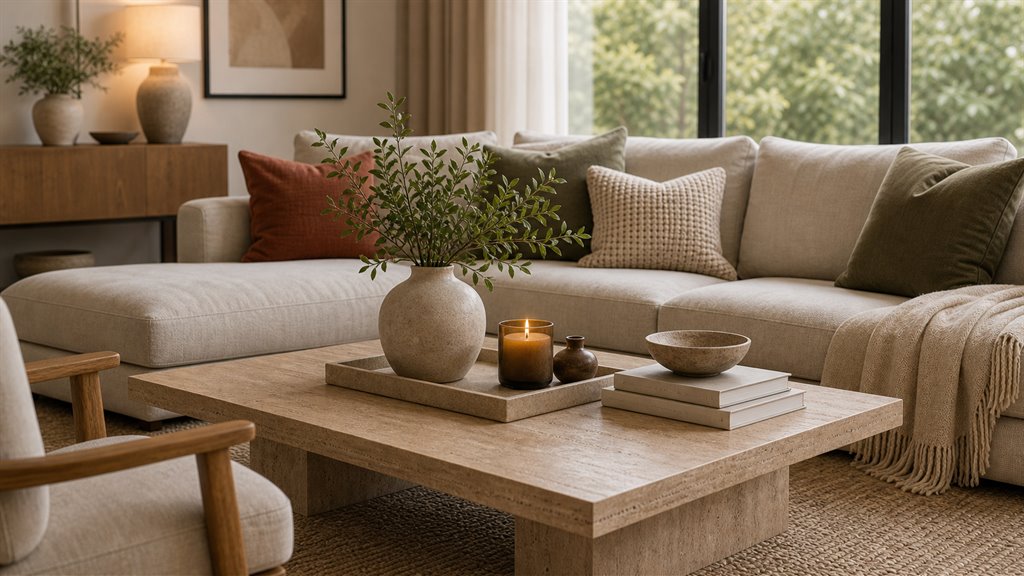
Coffee table decor ideas for living rooms
Use coffee table decor ideas with trays books bowls florals candles and scale tips for a polished living room.
Decor Accents
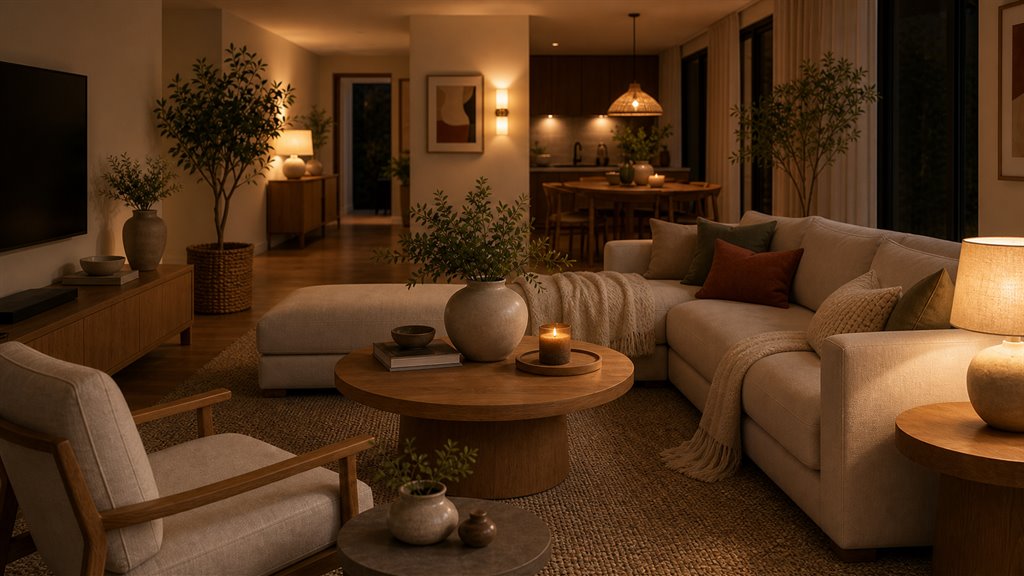
Decorative lighting ideas for a warm modern home
Use decorative lighting ideas to layer warm ambient, task, and accent light with lamps, shades, and practical placement for a calm modern home every day.
Decor Accents
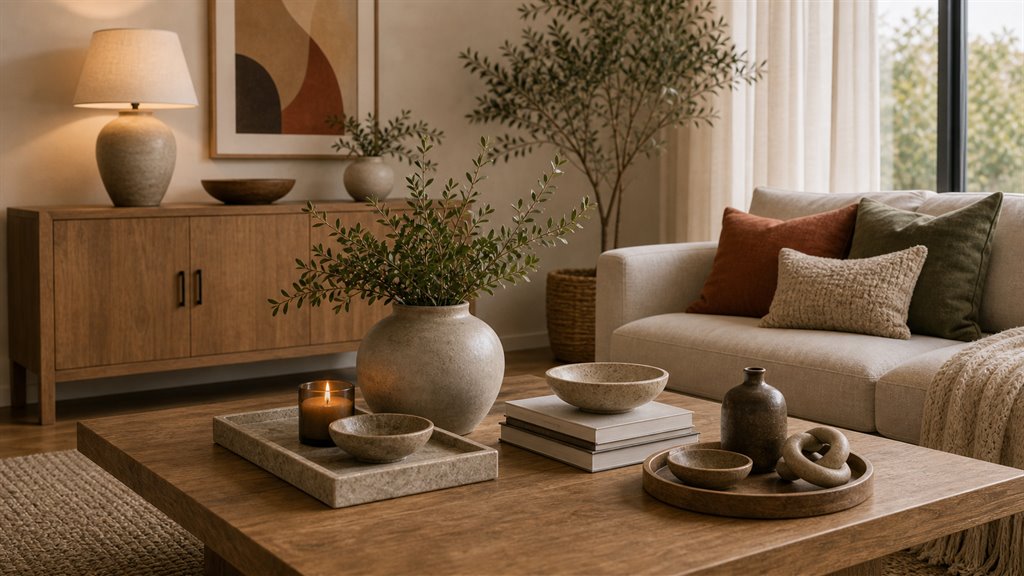
Decorative vases bowls and tray styling ideas
Learn how to style decorative vases bowls and trays with height texture color and balance for a curated modern home.