
Room Decor Ideas
Small Living Room Layout Solutions That Work
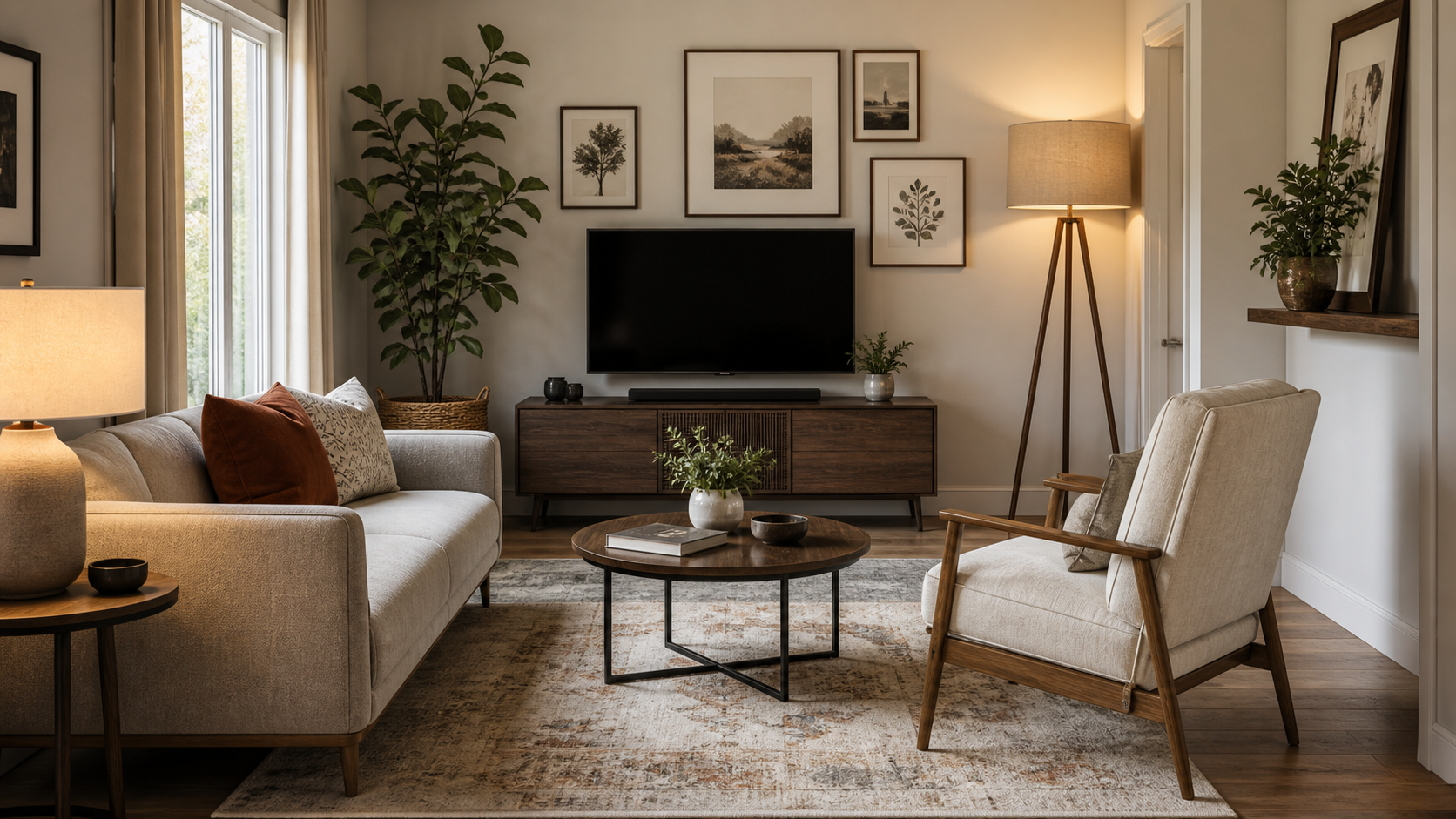
Let the room guide the layout
The best small living room layout ideas begin with the limits of the apartment. A narrow doorway a radiator a window or a short wall can decide more than a mood board ever will. When you work with those fixed points the room starts to feel considered instead of crowded.
Begin by noticing how people enter and leave the room. Look at the route to the kitchen or bedroom. Then decide what the living room needs to do most often. It may be a place for quiet evenings. It may need to hold a desk or welcome a friend. The main activity should guide the largest piece.
Small rooms do not need to look sparse. They need a clear order. Choose the focal point first. Protect the walking route next. Then add the furniture and details that make the room comfortable.
Protect the main walkway
A clear walkway can make a small living room feel more generous than another few inches of furniture space. Find the path people use most and keep it obvious. This may mean placing the sofa along one wall and leaving the route beside it. It may mean floating the sofa with a narrow passage behind it.
Walk through the room with your hands full. Try the route from the front door to the kitchen. Check the path to the window and any storage. If you need to twist around a coffee table or brush against a chair the arrangement is asking too much of the floor.
Do not let the television decide every placement. A screen can sit on a wall while the seating still faces the center of the room. A slim console can hold it without making the furniture group feel fixed around one object.
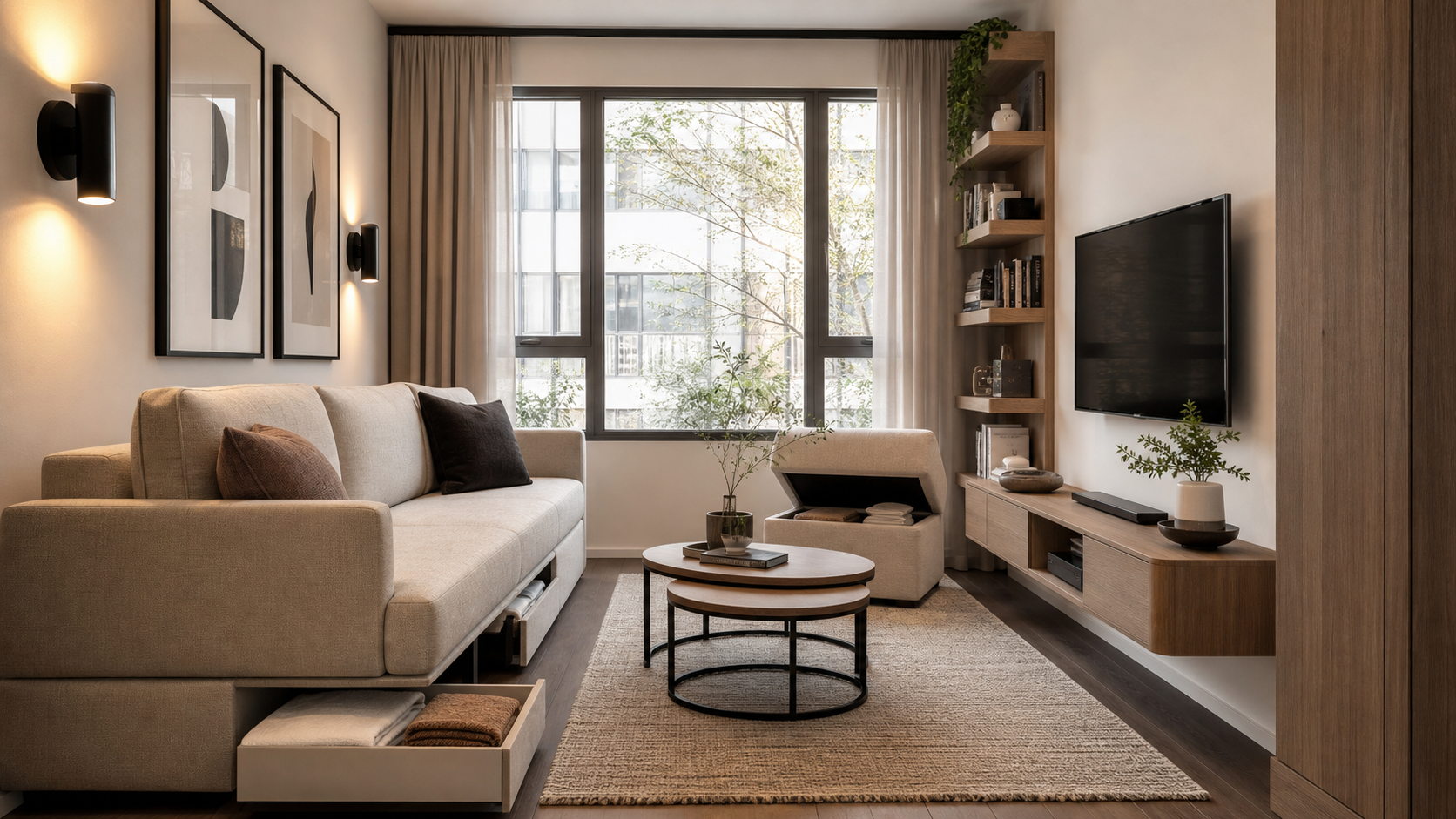
Choose a sofa that fits the walls
The sofa usually takes the most space so measure it before you fall in love with a shape. Check the full width including the arms. Check the depth too. A sofa that fits the wall but projects too far into the room can make every other choice difficult.
A simple sofa with a modest depth often gives a narrow room more breathing space. A chaise can be comfortable but it may close the route in a small apartment. If you need a place to stretch out consider an ottoman that can move or a sofa with a lighter profile.
Keep a little room at the side for a lamp or a small table if that is part of how you use the sofa. You do not need a full table on both sides. One useful surface is better than two pieces that make the passage tight.
Add only the seating the room can support
One chair can be enough for a reading corner or a guest seat. Choose a shape that turns toward the sofa instead of pointing at a wall. A lightweight chair can move when you need more floor space.
Avoid filling the room with several small chairs because they appear easier to fit. Many small pieces can create more visual noise than one well-scaled sofa and one comfortable chair. Give each seat enough room to be used without moving another piece first.
Use furniture that earns its footprint
In a small apartment every piece should solve a real problem. A storage ottoman can hold blankets and serve as a footrest. A nesting table can separate when guests arrive and tuck away when the room needs an open center. A narrow console can provide a landing place without taking the depth of a cabinet.
Look for furniture with more than one useful role. The goal is not to turn the room into a puzzle of clever products. The goal is to make the daily reset simple. If an item is hard to move or difficult to use it may not be helping even when it is technically compact.
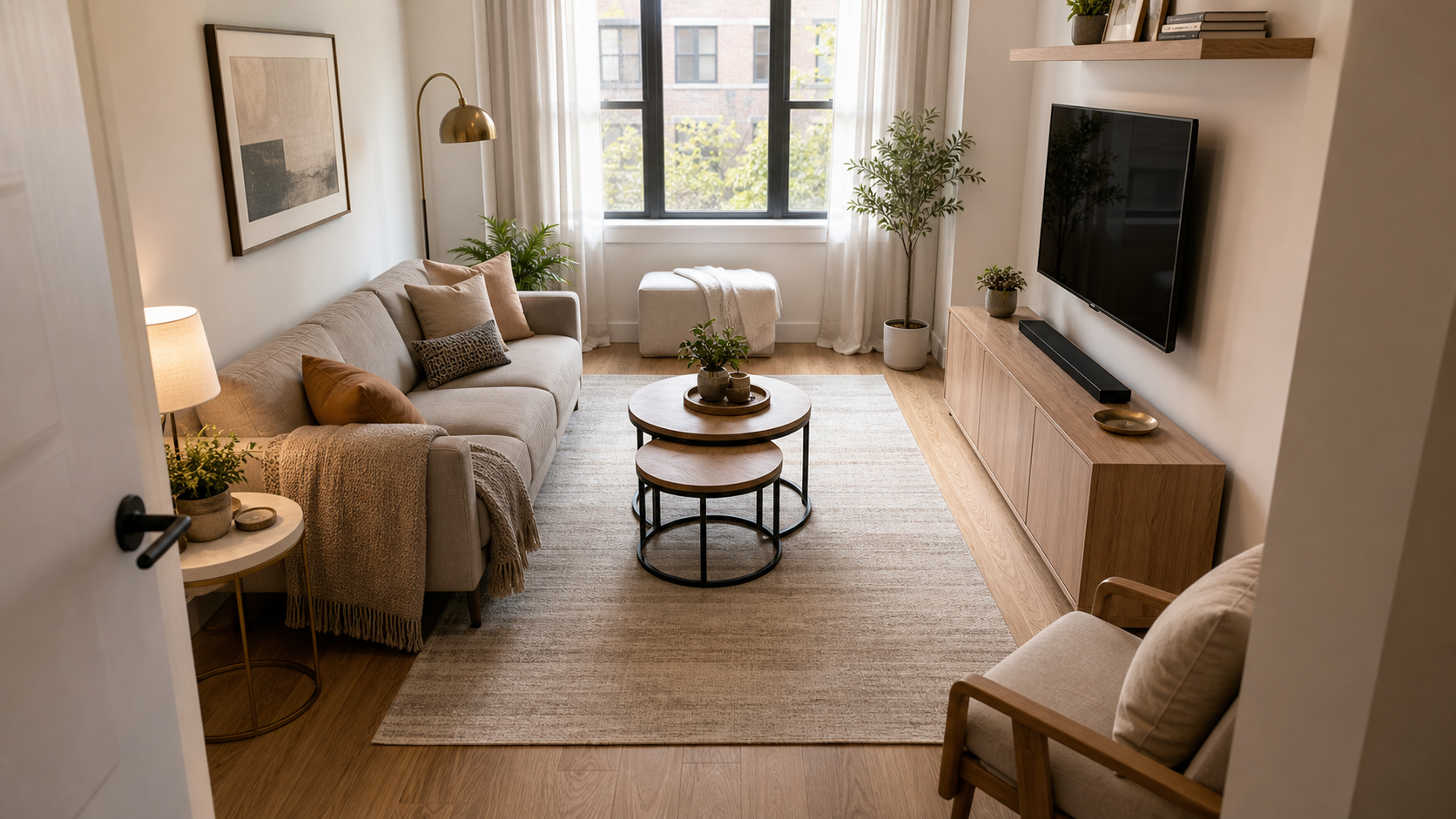
For the broader layout guide read Living room layout ideas for modern homes. The small apartment needs a tighter edit but the foundation is the same. Begin with how the room needs to work.
Make the rug support the room
A rug can make a small seating group feel settled. It can also become a visual obstacle when it is too small or sits across the main path. Place the rug so it connects the sofa and chair. Let it sit under the coffee table and reach toward the seating when possible.
If a full-size rug would crowd the walkway choose a shape that follows the room. A longer rug can support a narrow arrangement. A round rug may soften a room with many straight edges but it should still give the seating group a clear center.
Keep the rug edge away from doors and drawers. Make sure it does not catch under a chair when someone stands. Practical details matter more than following one fixed decorating rule.
Build around one calm focal point
Small rooms benefit from a clear visual destination. A window with good light can do the work. So can a framed piece of art a fireplace or a television wall that is kept simple.
Choose one main point rather than giving every wall equal attention. Too many small displays can make the room feel busier than it is. One larger picture or a quiet arrangement of shelves often gives the eye somewhere to rest.
Keep the focal point visible from the main seat. If a tall plant or a floor lamp hides it move the object to a corner where it can soften the room without competing for attention.
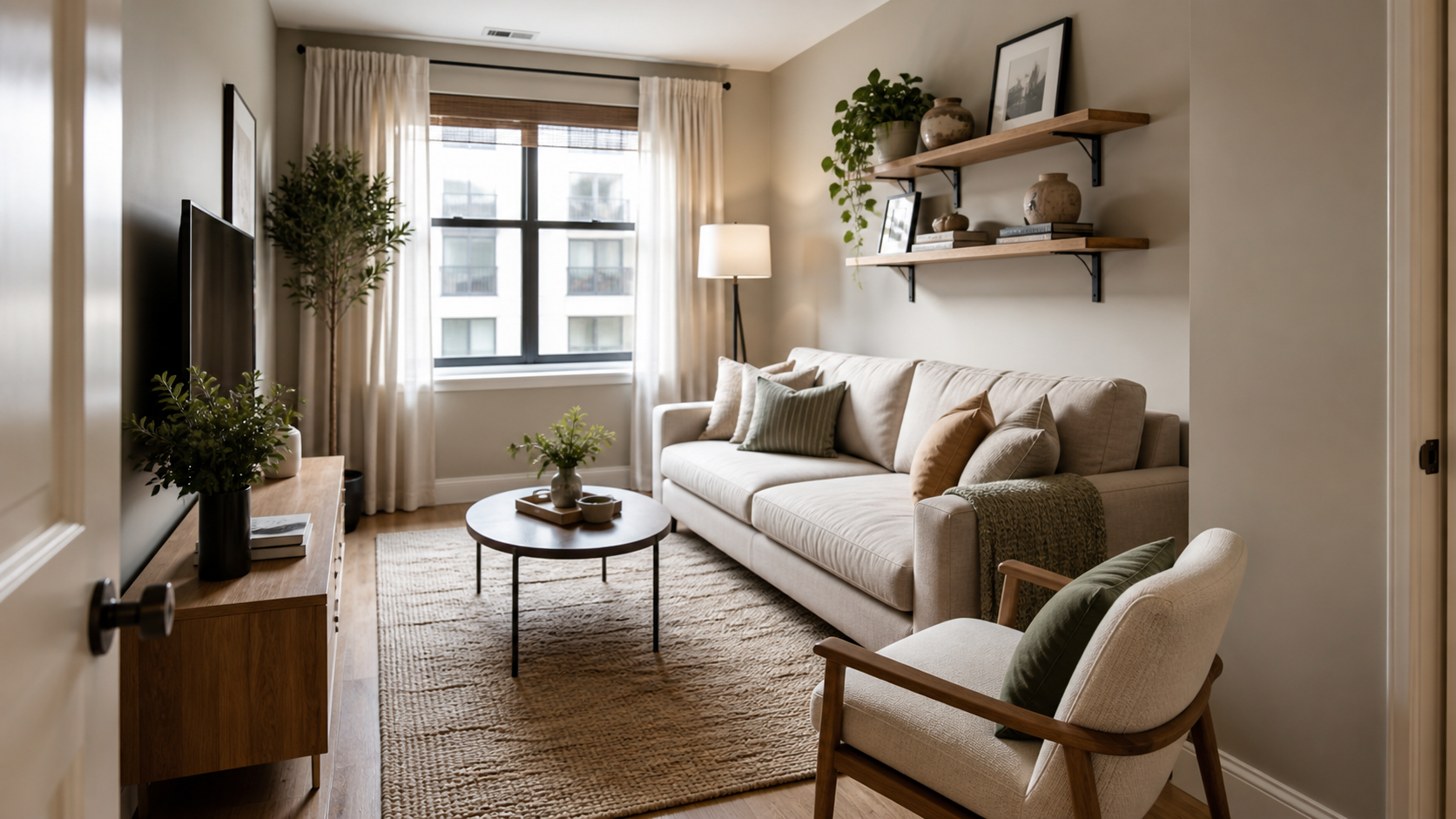
Use walls for storage without closing in the room
When floor space is limited the walls can carry more of the storage work. A shallow shelf can hold books and small objects. A wall-mounted cabinet can hide chargers and paperwork. Closed storage is especially useful in a room that needs to feel calm between busy days.
Keep the deepest storage on the wall with the least traffic. Check that doors and drawers can open without meeting the sofa. Leave some open wall around the storage so the room does not feel covered from floor to ceiling.
Choose one storage finish and repeat it quietly if the room has more than one unit. Matching is not necessary but a shared wood tone or paint color can make the apartment feel more settled.
Use the walls before adding floor pieces
When the floor is already busy move useful functions upward. A shallow shelf can replace a wide bookcase. A wall-mounted cabinet can replace a deep storage unit. A hook rail can keep bags and daily items near the door without narrowing the main path.
Check the height before installing anything. Shelves should stay clear of heads and chair backs. Cabinets should open fully without meeting the sofa. Wall storage works best when it reduces floor pressure and keeps the route simple.
Make the lighting do more work
Small living rooms often have one ceiling fixture and not much else. Add light where you sit. A floor lamp can make a corner useful. A small table lamp can bring warmth to a console or shelf.
Use the ceiling light for general brightness and the smaller lamps for evening comfort. Keep the light source out of the main walkway. In a rental apartment plug-in sconces or a portable lamp can add another layer without permanent wiring.
Watch for glare on the television and shadows on the reading seat. The best placement is the one that makes the room easier to use after dark not simply brighter from the doorway.
Keep the apartment feeling open
Leave some floor visible between the furniture and the door. Keep window areas light so daylight can travel across the room. Curtains hung close to the ceiling can make the wall feel taller while a simple fabric keeps the view calm.
Use color to connect the pieces rather than to create more zones. Warm white walls natural wood and one muted accent can give a small room depth. A darker detail can help the furniture read clearly but too many sharp contrasts can break the room into fragments.
Mirrors can help when they reflect light or an attractive view. Place one where it adds a real benefit. A mirror facing clutter will only make the clutter more visible.
Common mistakes in a small living room
Buying by width alone
A piece can fit between two walls and still be too deep for the route. Measure the footprint from the wall into the room. Mark it on the floor with tape before the delivery day.
Choosing a coffee table that never moves
A heavy table may look settled but make cleaning or hosting difficult. Choose a lighter table or one that can shift when the room needs a different arrangement.
Pushing everything to the edge
Walls are useful but furniture placed around the full perimeter can leave the room without a center. Pull the seating together when the route allows it.
Treating storage as an afterthought
Without a home for everyday objects even a good layout can look crowded. Plan for books blankets remotes and paperwork before adding more decoration.
Adding pieces to fill empty corners
An empty corner can be useful. It may protect a walkway or give the eye a quiet pause. Wait until you understand how the room is used before filling it.
Let the layout earn its place
Before ordering a large piece use [EXTERNAL_SUPPORTING_LINK_PLACEHOLDER: Add approved external supporting link here] to verify fit and safe placement.
Live with the main furniture before finishing the room. Notice which chair is used and which route people choose. Pay attention to the light in the evening. If something is moved every day it may be in the wrong place.
A small living room does not need a perfect arrangement. It needs enough comfort for the people who live there and enough open space for the room to breathe. When the sofa fits the wall the walkway is clear and storage is close to where it is used the apartment begins to feel easier. The style can then come from a few warm materials and personal details that support the life already happening there.
Related guides
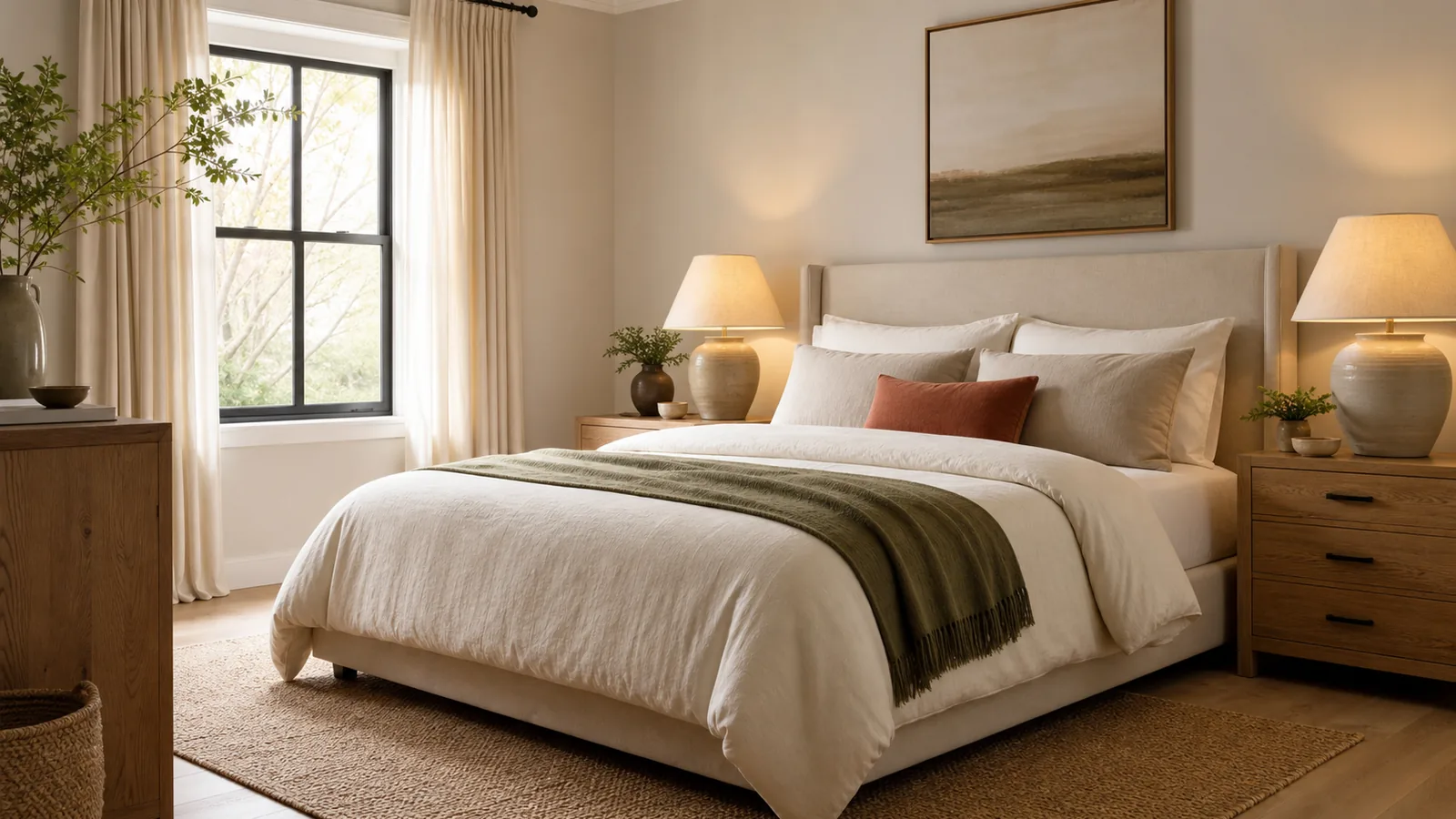
Room Decor Ideas
Bedroom color ideas for a calm and timeless look
Bedroom color ideas for a calm timeless look using warm neutrals soft contrast natural texture and restful lighting
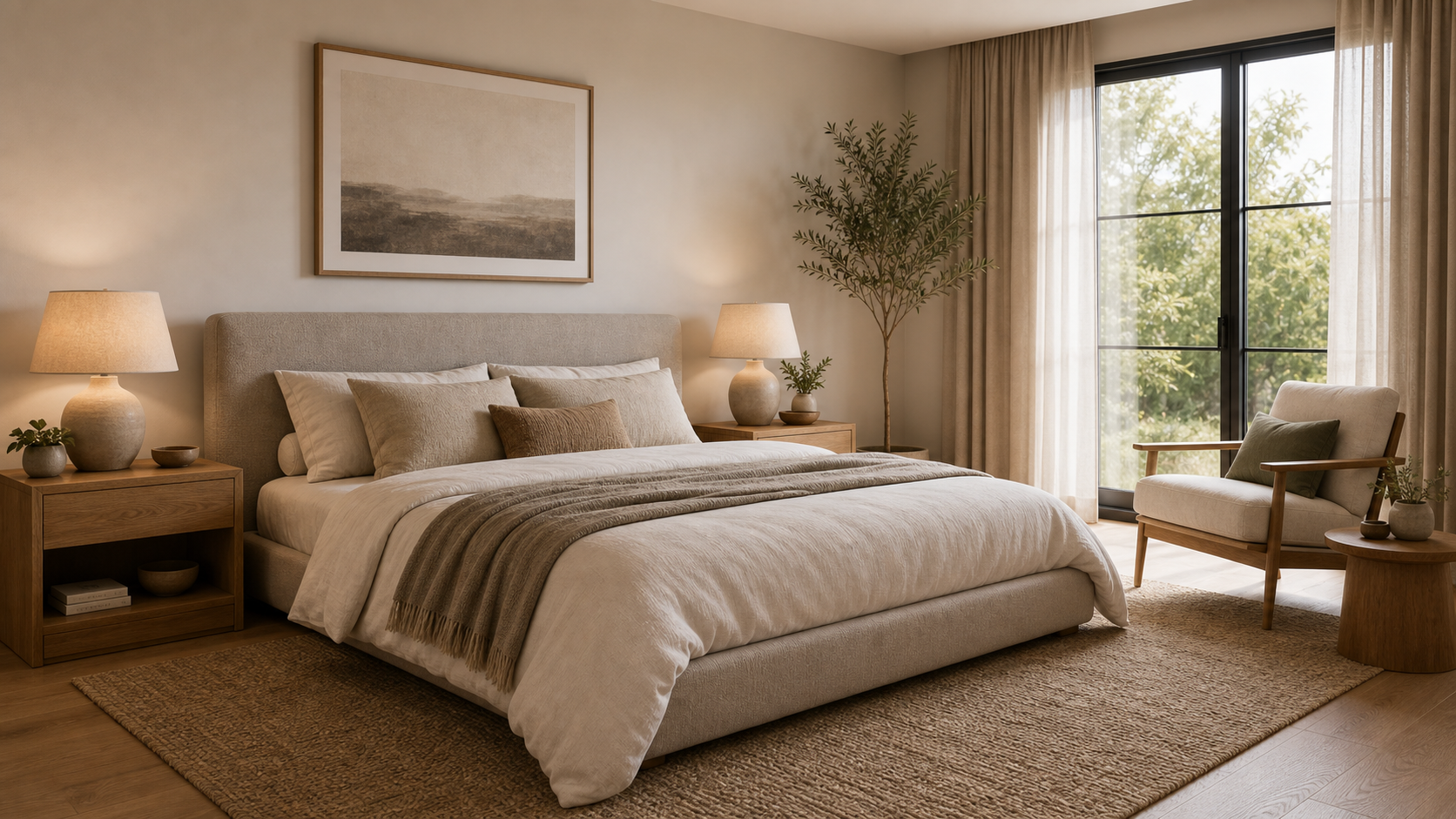
Room Decor Ideas
Bedroom design ideas for a calm modern home
Bedroom design ideas for a calm modern home with layout furniture color texture lighting storage bedding and simple restful decor
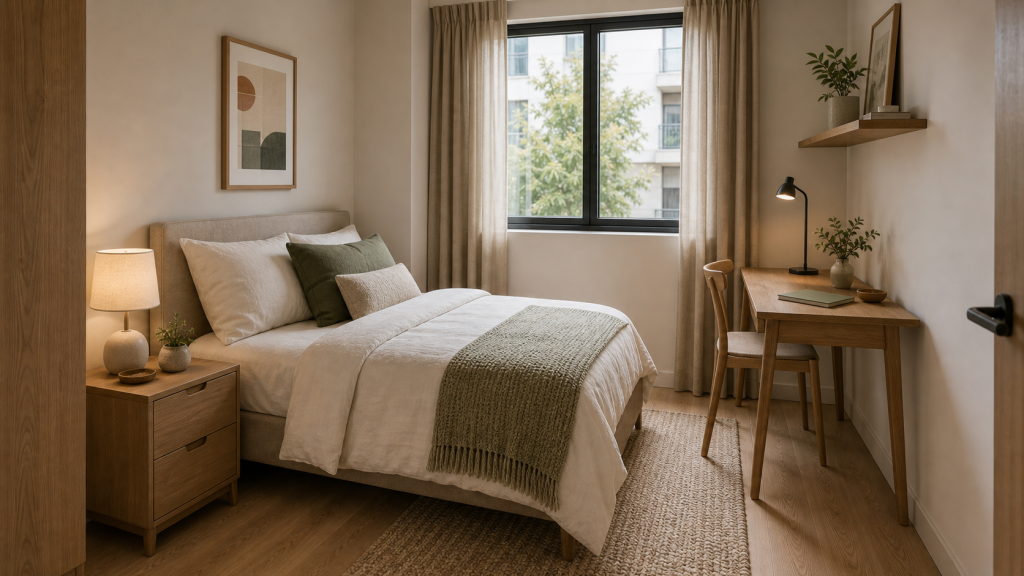
Room Decor Ideas
Bedroom furniture arrangement ideas for better flow
Bedroom furniture arrangement ideas for bed placement nightstands storage scale dresser flow and a calm modern bedroom layout